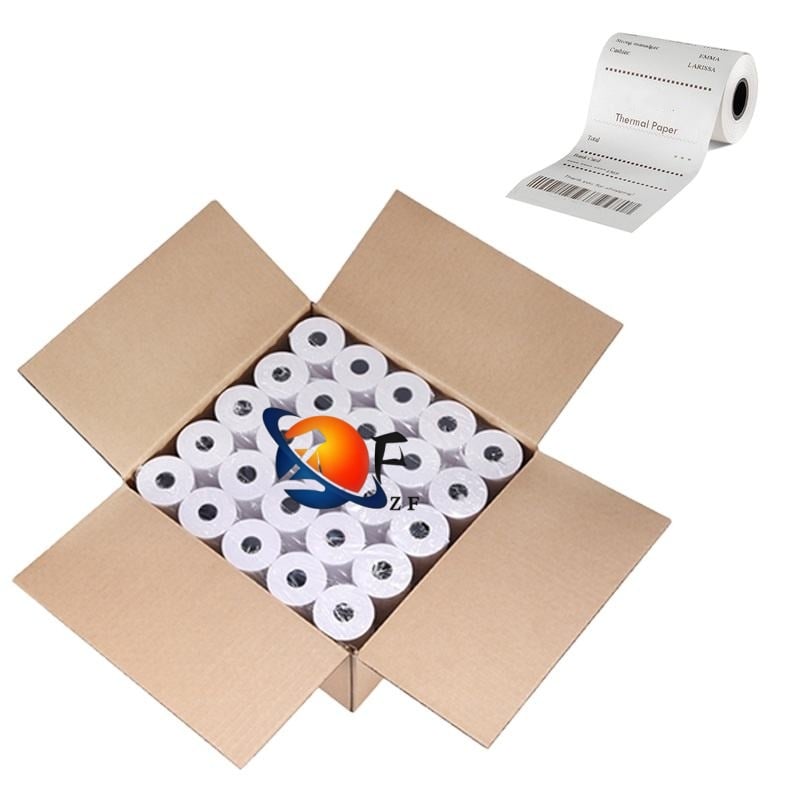
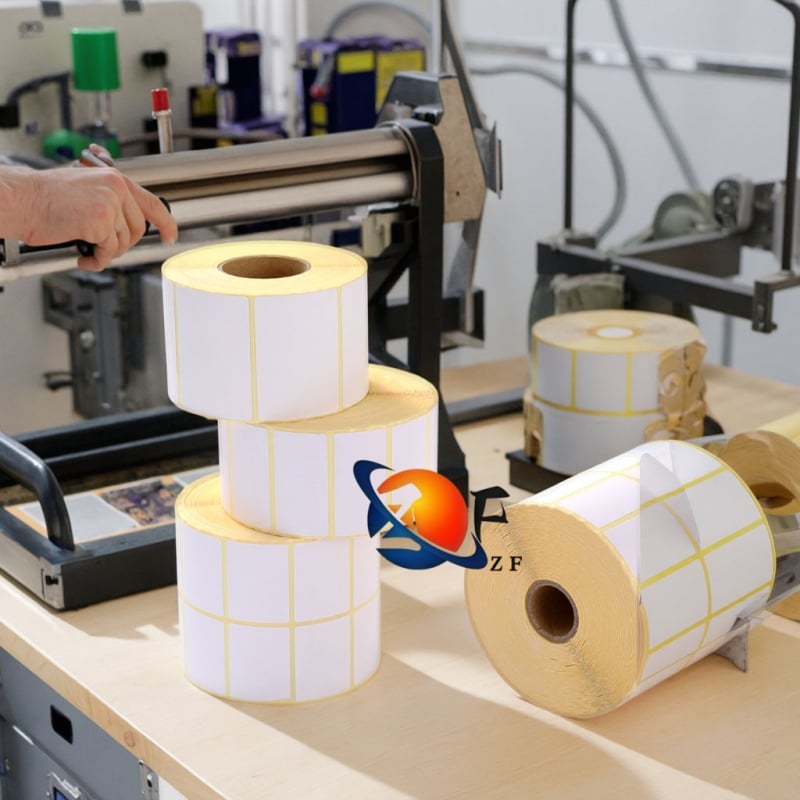
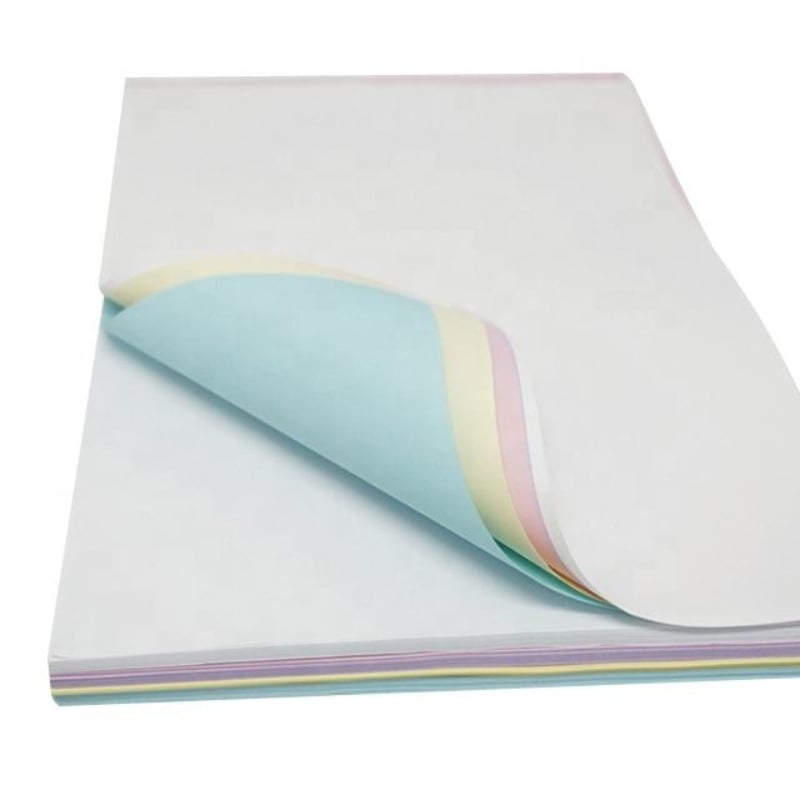
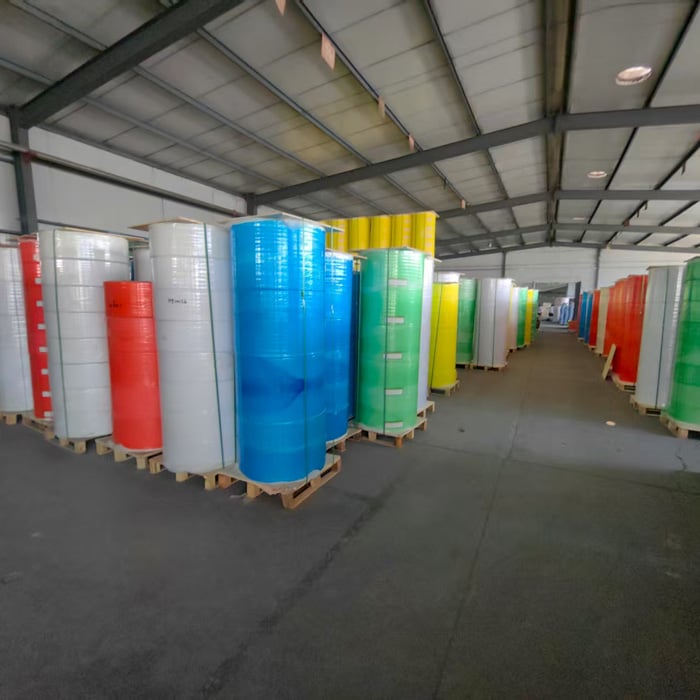
Thermal label rolls are indispensable for businesses across logistics retail healthcare and e commerce streamlining labeling tasks with their inkless printing convenience. However their performance hinges largely on compatibility with printers—using mismatched products leads to jams blurry prints and equipment damage. Understanding how to match thermal label rolls with the right printers ensures smooth operations cost savings and professional results. Zhenfeng delivers high quality thermal label rolls engineered for broad compatibility combining precise specifications and durable materials to work seamlessly with most printer models. Below are key insights to navigate printer compatibility for thermal label rolls.
Understand Printer Types and Requirements
Thermal printers fall into two main categories direct thermal and thermal transfer each with unique needs for thermal label rolls. Direct thermal printers use heat to activate the label’s chemical coating so they require thermal label rolls without additional ribbons. These printers work best with rolls that have a smooth uniform coating for consistent heat reaction—Zhenfeng’s direct thermal label rolls feature this coating ensuring sharp clear prints. Thermal transfer printers use a heated ribbon to transfer ink to the label so they need thermal label rolls designed to accept ribbon based ink. These rolls often have a receptive top layer for better ink adhesion. Knowing whether a printer is direct thermal or thermal transfer is the first step to avoiding compatibility issues.
Check Core Size and Roll Dimensions
Printer compatibility with thermal label rolls starts with matching physical dimensions. Core size the diameter of the cardboard tube holding the label roll varies by printer model common sizes include 1 inch 2 inches and 3 inches. Using a roll with an incompatible core size prevents proper loading leading to jams or uneven feeding. Roll width and length also matter—printers have maximum and minimum width limits and longer rolls suit high volume printing while shorter rolls fit compact devices. Zhenfeng offers thermal label rolls in multiple core sizes and dimensions from narrow rolls for small product labels to wide rolls for shipping labels ensuring a perfect fit for different printer models.
Consider Label Material and Adhesive
The material of thermal label rolls affects both print quality and printer compatibility. Paper based thermal label rolls are ideal for indoor use and work with most standard thermal printers but may require adjustments for temperature sensitivity. Synthetic materials like polyester or polypropylene offer water and oil resistance but need printers capable of handling thicker sturdier substrates. Adhesive type is another factor—permanent adhesive is strong for long term labeling while removable adhesive suits temporary applications. Zhenfeng’s thermal label rolls include both paper and synthetic options with reliable adhesives tested to work with various printer mechanisms without causing sticky residue or feeding problems.
Verify Quality and Coating Compatibility
High quality thermal label rolls with consistent coating and thickness are essential for printer compatibility. Poor quality rolls with uneven coating cause inconsistent prints or printer head wear while overly thick or thin labels lead to feeding issues. Zhenfeng’s thermal label rolls undergo strict quality control ensuring uniform thickness smooth coating and precise cutting—all critical for seamless printer performance. Additionally some printers require specific coating types for optimal heat transfer. Zhenfeng’s thermal label rolls use industry standard coatings compatible with most thermal printer heads reducing the risk of smudging or incomplete prints. Free samples are available to test compatibility before bulk purchases ensuring perfect alignment between rolls and printers.
 Hot News
 EN
EN