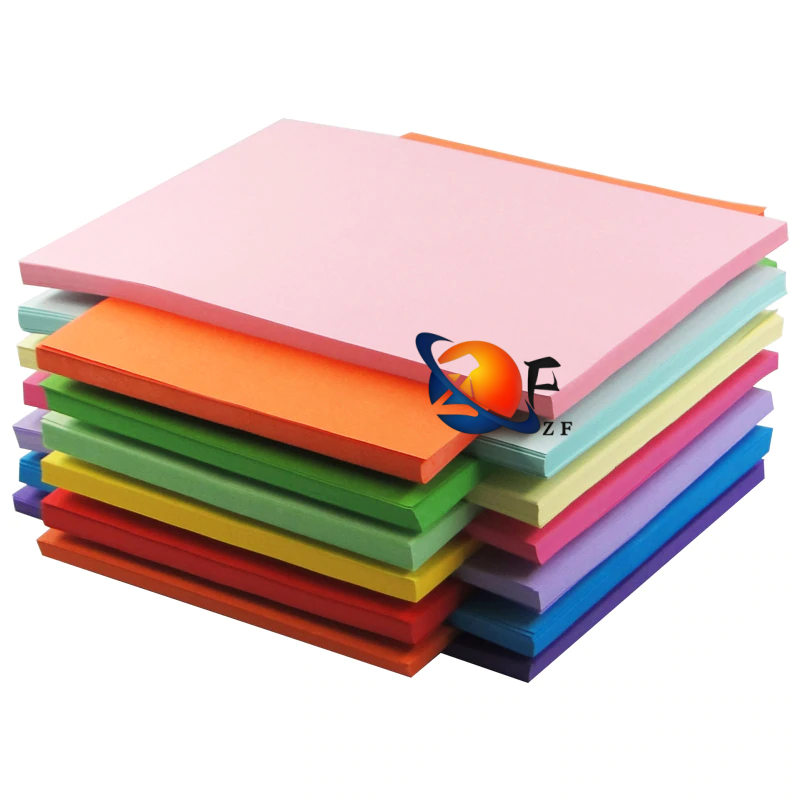
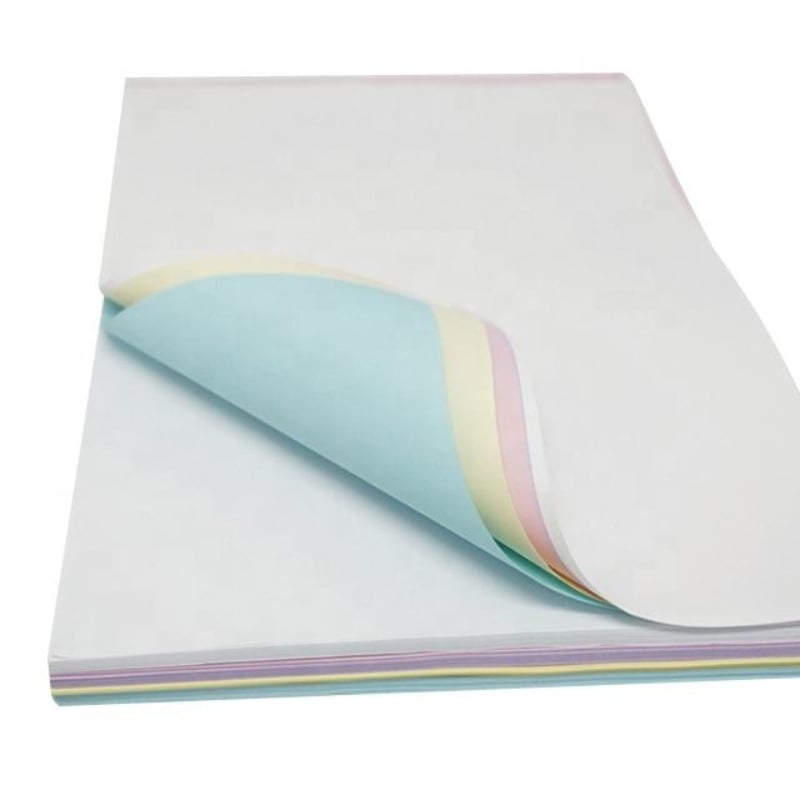
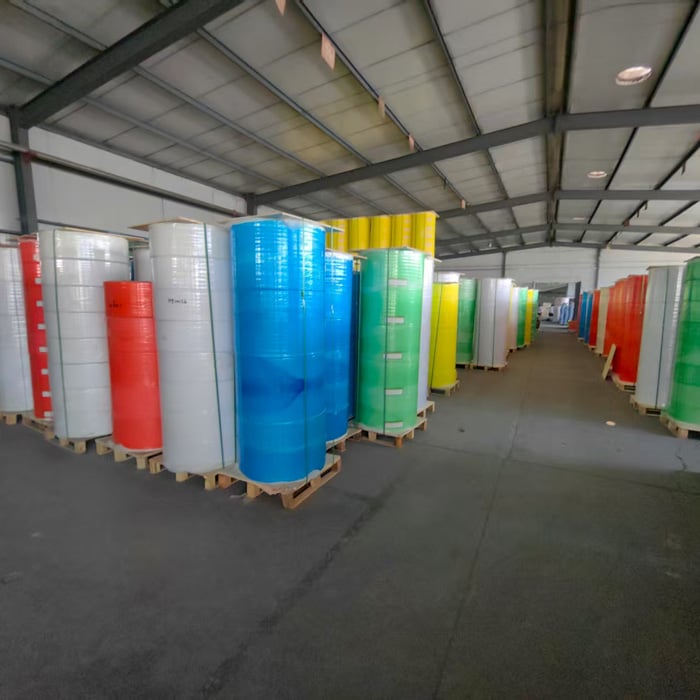
Brochures are powerful marketing tools that blend information and visual appeal to leave a lasting impression on audiences. Choosing the right offset paper is crucial to elevating a brochure’s quality as it directly influences print clarity, color vibrancy, and tactile feel. Offset paper is a top choice for brochures thanks to its smooth surface, consistent thickness, and compatibility with various printing techniques. Zhenfeng offers premium offset paper tailored for brochure creation, combining high-quality raw materials with strict production standards to help businesses craft professional and eye-catching marketing materials. Below are key best practices to make the most of offset paper for brochures.
Select the Right Grammage
Grammage, measured in gsm, determines the thickness and durability of offset paper—two factors that shape a brochure’s look and functionality. For standard brochures used for general promotions, 70-100gsm offset paper strikes a balance between lightweight portability and print performance. It’s easy to fold, cost-effective for large print runs, and works well for text-heavy content with minimal images. For high-end brochures such as product catalogs or luxury brand promotions, 120-230gsm offset paper is ideal. Thicker paper feels more premium, resists creasing, and enhances the impact of high-resolution images. Zhenfeng’s offset paper range covers all these grammage options, ensuring consistent thickness across every sheet for uniform printing results.
Prioritize Paper Smoothness and Coating
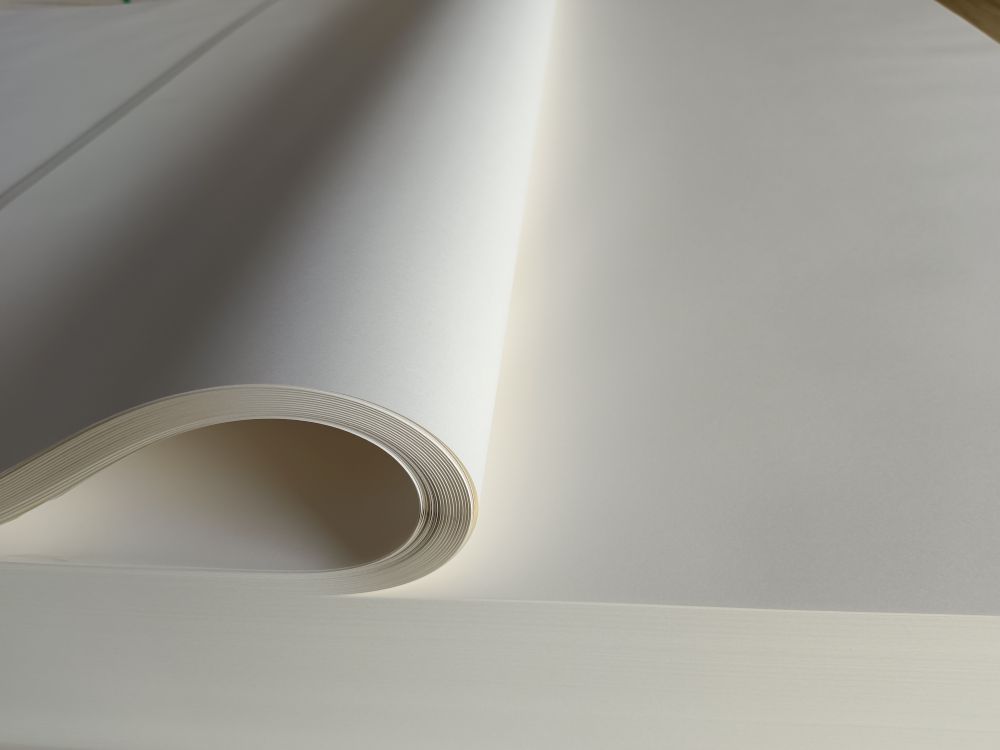
Offset paper’s smoothness is key to achieving crisp, sharp prints. A smooth surface allows ink to spread evenly, preventing blurring or feathering of text and images. Double-coated offset paper, a specialty of Zhenfeng, offers an even smoother finish that boosts color saturation and contrast—perfect for brochures with vibrant photos or intricate designs. The coating also improves ink adhesion, ensuring colors stay vivid without smudging. For brochures aiming for a subtle, elegant look, uncoated offset paper works well, providing a natural texture that’s easy to write on if needed. Whether coated or uncoated, Zhenfeng’s offset paper maintains consistent smoothness, ensuring every part of the brochure looks polished.
Match Paper to Printing Techniques
Brochures often use diverse printing methods such as offset printing, digital printing, or spot UV coating—each requiring offset paper with specific properties. Offset printing, the most common technique for brochures, pairs seamlessly with Zhenfeng’s offset paper due to its excellent ink absorption and color reproduction. For brochures with embossing or debossing, thicker offset paper (150gsm+) provides the necessary structural support to hold the 3D effect. If the brochure includes glossy accents or metallic details, coated offset paper creates a smooth base that enhances these finishes. Zhenfeng’s offset paper is tested for compatibility with all major printing techniques, ensuring no issues with jamming, ink bleeding, or uneven results.
Consider Environmental and Practical Factors
Modern businesses and consumers value sustainability, so choosing eco-friendly offset paper can boost a brochure’s appeal. Zhenfeng sources raw materials from trusted suppliers like Asia Symbol and Sun Paper Industry, ensuring its offset paper meets environmental standards without compromising quality. Practicality also matters—offset paper for brochures should be easy to fold without cracking, durable enough to withstand handling, and resistant to yellowing over time. Zhenfeng’s offset paper undergoes strict quality control, with tests for foldability, tear resistance, and long-term stability. Additionally, considering the brochure’s distribution method: lightweight offset paper is better for mailings to reduce postage costs, while thicker paper suits in-person handouts where durability is key.
 Hot News
 EN
EN