Packaging labels are the unsung heroes of supply chains, retail, and logistics—they carry critical information like barcodes that keep operations running smoothly. A clear, scannable barcode on a packaging label isn’t just a nice-to-have; it’s essential for inventory tracking, checkout efficiency, and reducing errors. Whether you’re a small business shipping products or a large manufacturer managing bulk orders, getting barcode printing right on your packaging label can save time, cut costs, and improve customer satisfaction. Zhenfeng understands the importance of reliable packaging labels, offering high-quality materials that enhance barcode readability and durability. Below are practical tips to master barcode printing on packaging labels.
Choose the Right Packaging Label Material
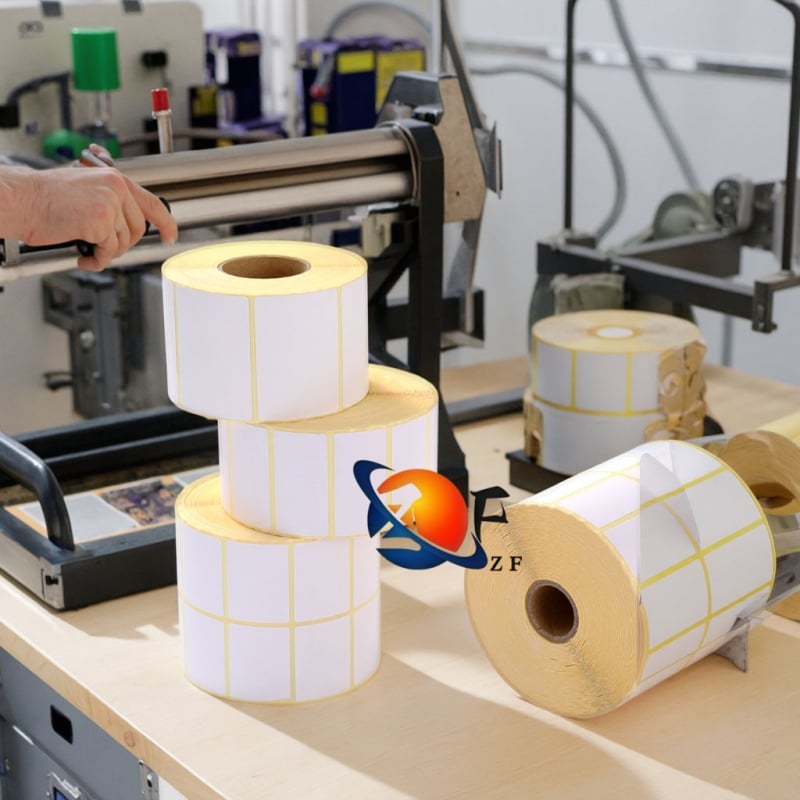
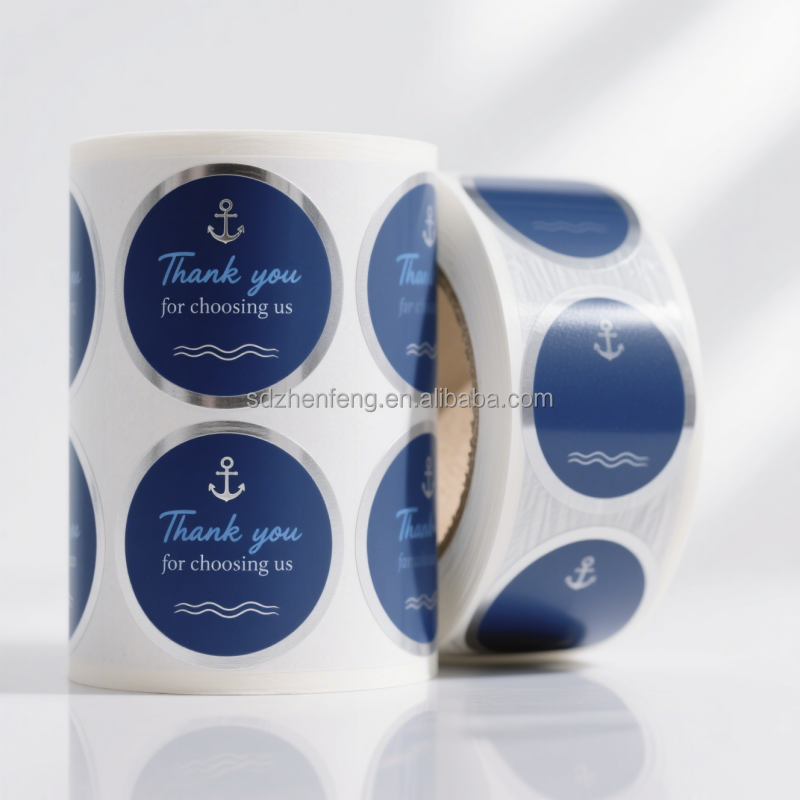
The material of your packaging label directly impacts barcode clarity and longevity. For products stored in harsh environments—like cold warehouses or humid shipping containers—waterproof or tear-resistant packaging labels are a must. These materials prevent smudging, fading, or damage that could render barcodes unreadable. For retail products displayed on shelves, a smooth, matte or glossy packaging label works best, as it provides a clean surface for crisp barcode printing. Zhenfeng’s packaging labels are available in a range of durable materials, from standard paper to premium synthetic options, ensuring barcodes stay scannable no matter the application. Selecting a material that matches your product’s storage and handling conditions is the first step to successful barcode printing.
Optimize Barcode Size and Placement
Barcode size and placement on the packaging label are key to scannability. A barcode that’s too small or cramped won’t be picked up by scanners, while one placed in a hard-to-reach spot (like a curved or folded edge) causes delays. The ideal barcode size for most packaging labels ranges from 1.5 inches to 2.5 inches wide, depending on the scanner type and distance. Place the barcode on a flat, unobstructed area of the packaging label—avoiding seams, logos, or text that could interfere with scanning. For cylindrical products, position the barcode horizontally around the middle to ensure it’s visible when the item is rotated. Zhenfeng’s packaging labels are designed with consistent dimensions and flat surfaces, making it easy to align barcodes for optimal scannability.
Ensure Proper Print Quality and Resolution
Print quality is non-negotiable when it comes to barcode printing on packaging labels. Blurry, pixelated, or faded barcodes will fail scans, leading to delays and frustration. Use a high-resolution printer (300 DPI or higher) to ensure sharp lines and clear contrast between the barcode and the packaging label background. Avoid low-ink or worn printer heads, as they can cause streaks or gaps in the barcode. For thermal printing—common for packaging labels in logistics—use heat-sensitive materials that react well to the printer, producing crisp, long-lasting barcodes. Zhenfeng’s packaging labels are compatible with most printing technologies, from thermal to laser, ensuring consistent print quality that maintains barcode readability even after repeated handling.
Test Barcodes Before Mass Production
Testing barcodes on your packaging label before mass production is a critical step that’s often overlooked. Even if the design looks perfect on screen, real-world scanning can reveal issues like poor contrast, incorrect sizing, or material incompatibilities. Use a standard retail scanner or mobile scanning app to test barcodes on sample packaging labels—this simulates how they’ll perform in stores or warehouses. Check for scannability from different angles and distances to ensure reliability. If the barcode fails to scan, adjust the size, print settings, or packaging label material. Zhenfeng recommends testing barcodes on their packaging labels with multiple scanner types to confirm readability across different environments, helping you avoid costly reprints or shipping delays.
Consider Environmental and Handling Factors
Environmental conditions and handling can take a toll on packaging labels and their barcodes. For products exposed to sunlight, choose UV-resistant packaging labels to prevent barcode fading. For items that are frequently touched or moved—like retail products or shipping boxes—opt for scratch-resistant materials that protect the barcode from wear and tear. Additionally, consider the adhesive strength of the packaging label: a label that peels off easily will render the barcode useless. Zhenfeng’s packaging labels feature strong, reliable adhesives that stay in place even during rough handling, while their durable materials resist damage from moisture, dust, and temperature changes. By accounting for these factors, you ensure your packaging label’s barcode remains scannable throughout the product’s lifecycle.
 Hot News
 EN
EN