अधिकांश खरीद टीमें कार्बनलेस कागज के विकल्पों की तुलना करते समय सबसे पहले सतह के वजन (जीएसएम), शीट के आयाम या कागज के रंग को ध्यान में रखती हैं। लेकिन कई देशों के प्रिंट शॉप के मालिकों और कागज के आपूर्तिकर्ताओं से बातचीत करने के बाद, मैंने देखा है कि लगभग सभी प्रमुख ग्राहक शिकायतें इन मूल विशिष्टताओं से कोई संबंध नहीं रखती हैं।
लगभग हर बार उत्पादन संबंधी परेशानी का कारण छुपे हुए निर्माण दोष होते हैं, जिन्हें आप उत्पाद के डेटाशीट को पढ़कर नहीं पहचान सकते:
- कागज की परतों के बीच हल्का, अधूरा छवि स्थानांतरण
- निरंतर कागज के जैम होने से आपके छापने के कार्य रुक जाते हैं
- शीट्स पर रासायनिक लेप का असमान, धब्बेदार वितरण
- कागज को कई हफ्तों तक भंडारण में रखने के बाद बुरी तरह से मुड़ना
- अलग-अलग उत्पादन बैचों के बीच रंगों में अत्यधिक परिवर्तन
ये छोटी-छोटी परेशानियाँ नहीं हैं। हर जैम, धुंधली प्रति या गलत मैच की गई बैच आपके पूरे कार्य प्रवाह को धीमा कर देती है, ग्राहकों को डिलीवर करने की समयसीमा को पीछे की ओर धकेल देती है और व्यर्थ के कागज़ के ढेर को बढ़ा देती है, जो सीधे आपके लाभ के मार्जिन को कम कर देता है।
यदि आप बल्क कार्बनलेस कागज़ का ऑर्डर देने वाले हैं, तो हस्ताक्षर करने से पहले कुछ महत्वपूर्ण जाँचें करना अनिवार्य है।
समान विशिष्टताएँ समान मुद्रण प्रदर्शन के बराबर नहीं होतीं
कागज़ पर, दो अलग-अलग आपूर्तिकर्ता एक ही तकनीकी विशिष्टताओं की सूची दे सकते हैं जो एक-दूसरे के बिल्कुल समान लग सकती हैं।
आप दोनों के लिए एक ही विवरण देख सकते हैं:
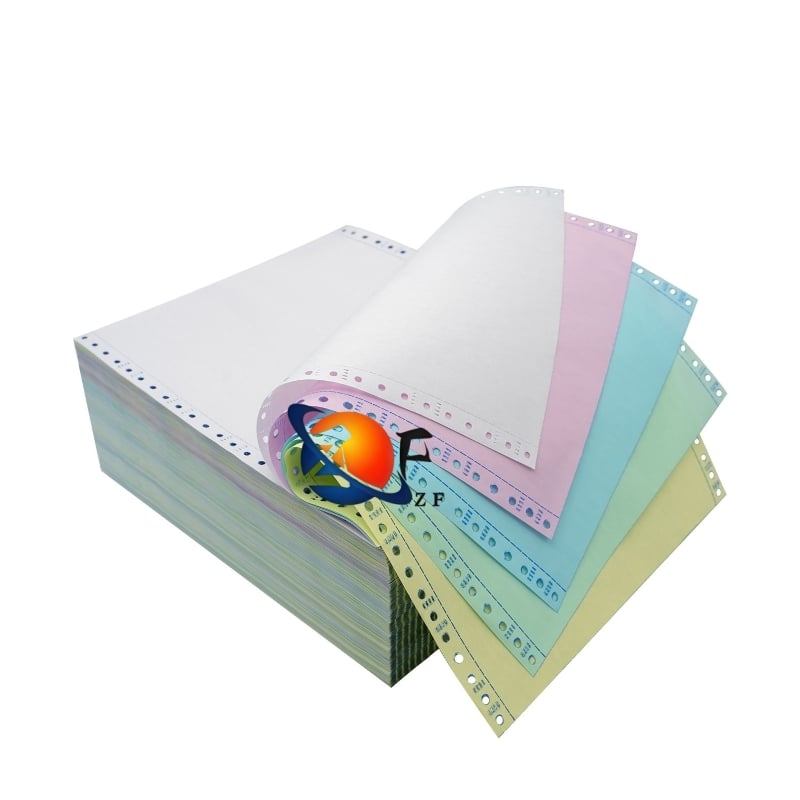
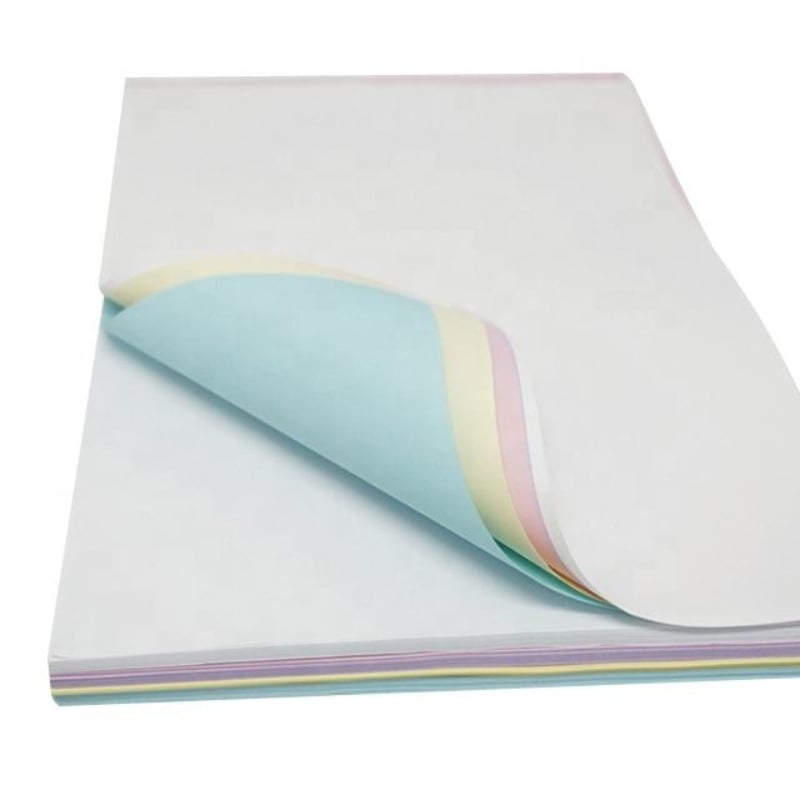
50gsm CB शीर्ष पत्रक
55gsm CFB मध्य पत्रक
50gsm CF तल पत्रक
उनकी प्रति टन कीमतें भी एक-दूसरे के बहुत करीब हो सकती हैं, जिससे सस्ते विकल्प को तुरंत चुनने का लालच पैदा हो जाता है। लेकिन जैसे ही आप अपने मुद्रण प्रेस को चालू करते हैं, गुणवत्ता में अंतर नोट करना असंभव नहीं रह जाता है।
कुछ कार्बनलेस कागज़ सामग्री न्यूनतम मुद्रण दबाव के साथ स्पष्ट और पठनीय डुप्लिकेट प्रतियाँ उत्पन्न करती है। सस्ते विकल्पों के लिए आपको केवल पठनीय अंशों को प्राप्त करने के लिए मशीन के दबाव को बढ़ाना पड़ता है—और फिर भी, प्रतियाँ अक्सर हल्की या धुंधली निकलती हैं।
यह अंतर आमतौर पर जीएसएम (GSM) संख्याओं पर निर्भर नहीं होता है। यह सब इस बात पर निर्भर करता है कि आपूर्तिकर्ता रासायनिक लेप को कितनी समान रूप से लगाता है और उनकी फैक्ट्री के उत्पादन मानक दिन-प्रतिदिन कितने सुसंगत रहते हैं।
जो व्यवसाय चाहे वह चालान, डिलीवरी स्लिप, रसीद की किताबें या निरंतर व्यावसायिक फॉर्म तैयार करते हैं, उनके लिए स्थिर और भरोसेमंद आउटपुट, प्रति टन लागत में थोड़ी भी कमी से कहीं अधिक मूल्यवान होता है।
अपने मुद्रण उपकरणों से शुरुआत करें, कागज़ के विशिष्टताओं से नहीं
मैं जो सबसे बड़ी गलती नए खरीदारों में देखता हूँ, वह यह है कि वे पहले अपनी मुद्रण लाइन के संचालन पर विचार किए बिना ही कागज़ के प्रकार को तय कर लेते हैं। विभिन्न मुद्रण विधियों के लिए कार्बनलेस कागज़ की पूरी तरह से अलग-अलग आवश्यकताएँ होती हैं।
आम आवश्यकताओं का एक संक्षिप्त विवरण इस प्रकार है:
- ऑफसेट मुद्रण के लिए कागज़ की आवश्यकता होती है जो नमी के प्रति स्थिर रहे और पूरी तरह से चपटा रहे
- फ्लेक्सो मुद्रण के लिए एक समान रूप से चिकनी परत की आवश्यकता होती है ताकि धब्बेदार, असमान छवि स्थानांतरण को रोका जा सके
- उच्च-गति निरंतर फॉर्म मुद्रण के लिए अत्यधिक विश्वसनीय चलने की क्षमता की आवश्यकता होती है ताकि लगातार जैम होने से बचा जा सके
एक कार्बनलेस कागज़ का रोल जो एक प्रेस पर बिल्कुल सही ढंग से काम करता है, दूसरे मॉडल की प्रेस पर असंख्य समस्याएँ पैदा कर सकता है। इसीलिए अनुभवी मुद्रण खरीदार हमेशा बड़े ऑर्डर फाइनल करने से पहले अपने आपूर्तिकर्ता को अपनी पूरी मुद्रण व्यवस्था के माध्यम से ले जाते हैं, बस विशिष्टताओं के आधार पर ऑर्डर देने के बजाय।
भंडारण और परिवहन की आर्द्रता से होने वाले जोखिमों को नज़रअंदाज़ न करें
कार्बनलेस कागज़ तापमान और नमी स्तर में उतार-चढ़ाव के प्रति अत्यधिक संवेदनशील होता है। यदि आप इसका भंडारण अनुचित रूप से करते हैं, तो आपको कई से बचे जा सकने वाली समस्याओं का सामना करना पड़ेगा:
- गंभीर पन्ना मोड़ना
- बहुत हल्के, कमज़ोर प्रतिलिपि छाप
- प्रिंटर में जैम होने वाले तरंगित कागज़ के किनारे
- उपयोग की अवधि में काफी कमी
यदि आप समुद्री माल ढुलाई के माध्यम से कागज को विदेश में भेजते हैं, तो यह जोखिम तेज़ी से बढ़ जाता है। शिपिंग कंटेनरों के अंदर लंबे समय तक के पारगमन के कारण कागज़ बंदरगाह से बंदरगाह तक आर्द्रता के तीव्र उतार-चढ़ाव के संपर्क में आ जाता है।
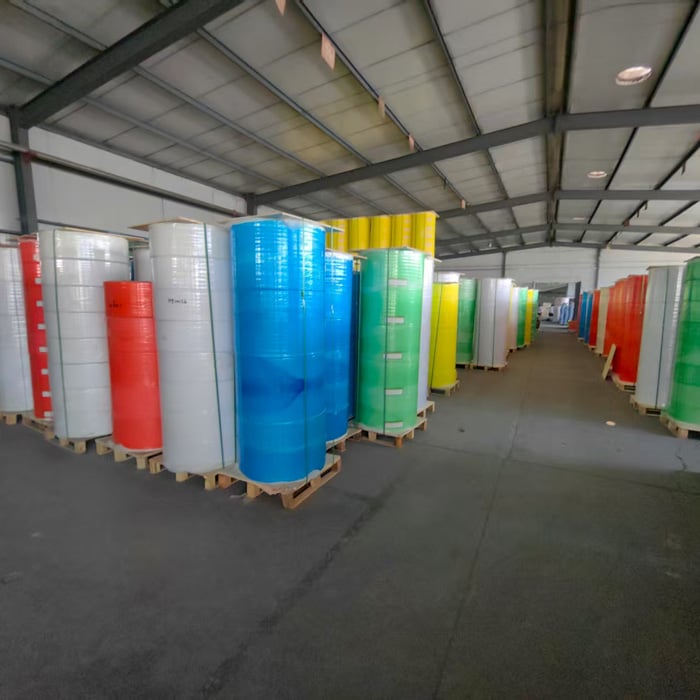
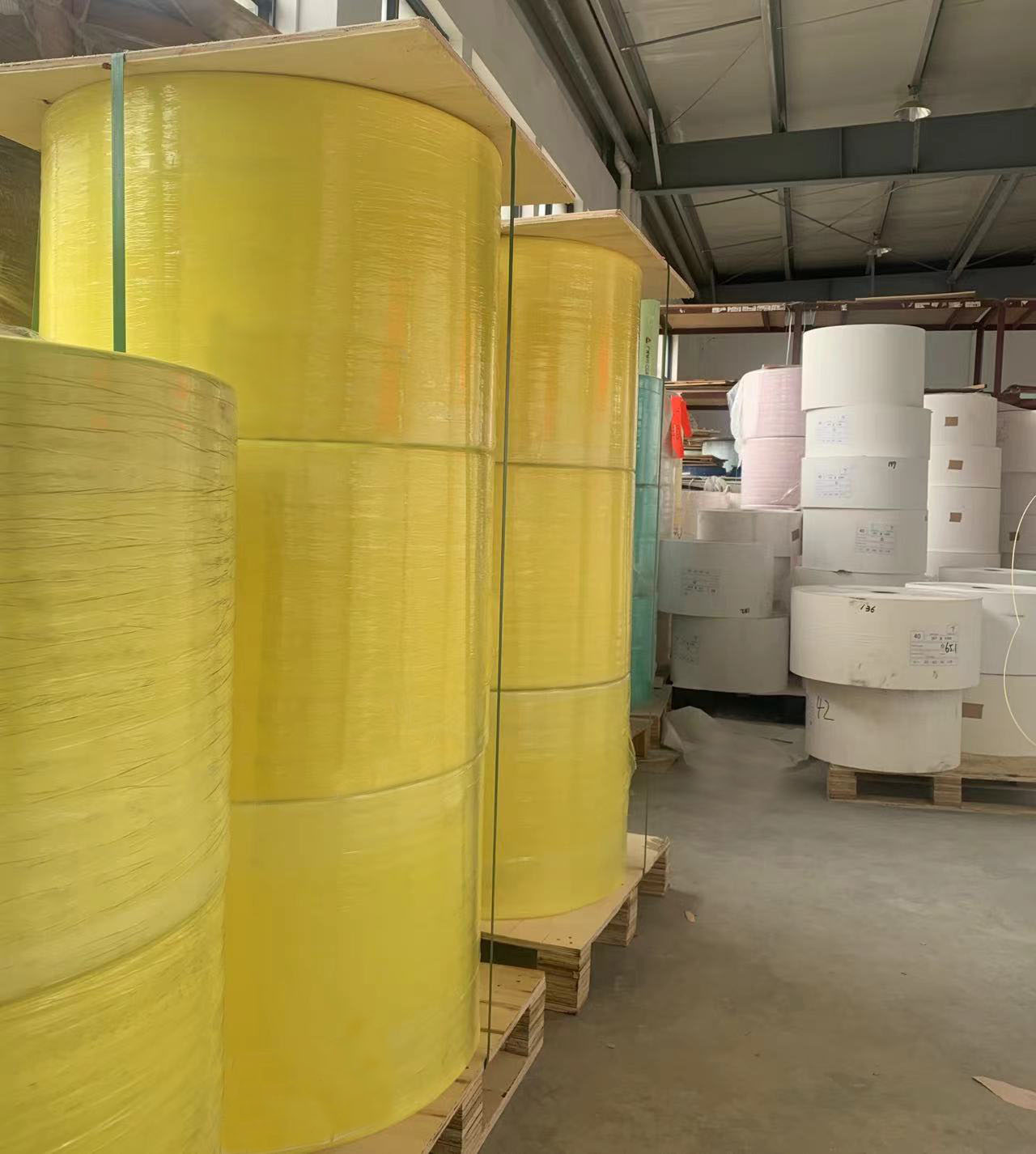
विश्वसनीय आपूर्तिकर्ता हमेशा कार्बनलेस कागज़ को नमी-प्रतिरोधी पैकेजिंग के साथ पैक करते हैं और जब सामान आपके गोदाम तक पहुँच जाता है, तो स्पष्ट भंडारण दिशा-निर्देश भी प्रदान करते हैं। एक साधारण बात जैसे कि मज़बूत जलरोधी पैकेजिंग भी आपके शिपमेंट के आने तक क्षतिग्रस्त स्टॉक के कारण होने वाले हज़ारों रुपये के नुकसान को रोक सकती है।
स्थिर बैच गुणवत्ता सस्ती से सस्ती कीमतों की तुलना में बेहतर है
कई कंपनियाँ किसी नए आपूर्तिकर्ता से मुफ़्त नमूना रोल का परीक्षण करती हैं, और परीक्षण चलाने के दौरान सब कुछ बिल्कुल सही छपता है। वास्तविक समस्या महीनों बाद तब शुरू होती है जब आपका अगला शिपमेंट पहुँचता है।
यदि प्रत्येक फैक्टरी बैच में कोटिंग की मोटाई या कागज़ की समतलता में थोड़ी भिन्नता होती है, तो आपकी छपाई टीम को हर बार नए स्टॉक के आने पर मशीन के दबाव और सेटिंग्स को फिर से समायोजित करने में घंटों लग जाएँगे—जिससे आपकी कुल उत्पादन दक्षता प्रभावित होगी।
एक आपूर्तिकर्ता में निवेश करना जिसकी लेपन तकनीक स्थिर हो और प्रसव से पहले की गुणवत्ता जाँच कड़ी हो, लंबे समय तक हमेशा फायदेमंद साबित होता है, भले ही उनका प्रारंभिक उद्धरण बाजार में सबसे कम न हो। उन टीमों के लिए जो नियमित रूप से मासिक या तिमाही आधार पर बल्क ऑर्डर देती हैं, निरंतर उत्पादन अपशिष्ट और अवरोध को किसी भी छोटी कीमत कमी की तुलना में कहीं अधिक कम कर देता है।
जब आप किसी नए विक्रेता के साथ बंधन बनाने जा रहे हों, तो उनकी उत्पाद विश्वसनीयता का आकलन करने के लिए इन सरल, व्यावहारिक प्रश्नों को एक बार जरूर पूछें:
- क्या यह कार्बनलेस कागज मेरी विशिष्ट प्रिंटिंग मशीनों और प्रक्रिया के साथ काम करने के लिए विकसित किया गया है?
- आपका कारखाना प्रत्येक बैच में समान लेपन सुनिश्चित करने के लिए कौन-कौन से कदम उठाता है?
- क्या आप मुझे अपने सबसे हालिया उत्पादन चक्र से सीधे लिए गए परीक्षण नमूने भेज सकते हैं, पुराने स्टॉक के नमूने नहीं?
- आप समुद्री निर्यात शिपिंग के दौरान कागज को नमी के क्षति से कैसे बचाते हैं?
- क्या आप बल्क ऑर्डर के लिए कस्टम आकार, रंग का रंजन या अनुकूलित पैकेजिंग प्रदान करते हैं?
- शिपमेंट के आपके कारखाने से निकलने से पहले आप प्रत्येक पैलेट पर कौन-कौन से गुणवत्ता नियंत्रण परीक्षण करते हैं?
विश्वसनीय आपूर्तिकर्ता आपको प्रत्येक बिंदु के स्पष्ट, विस्तृत उत्तरों के माध्यम से मार्गदर्शन करेंगे, बजाय कि केवल एक सामान्य मूल्य पत्रक भेजकर और आपको जल्दी से ऑर्डर देने के लिए दबाव डालने के।
एकल-समय के सस्ते ऑर्डर के बजाय दीर्घकालिक साझेदारियों को प्राथमिकता दें
कार्बनलेस पेपर की खरीद केवल एक अकेले शिपमेंट को दरवाज़े से बाहर निकालने के बारे में नहीं है। यह एक ऐसे विक्रेता को खोजने के बारे में है जो महीने दर महीने समान स्थिर गुणवत्ता प्रदान कर सके, जिसमें दोषों में कोई अचानक वृद्धि या असंगत बैच न हों।
जब आपकी पूरी उत्पादन काल सारणी विश्वसनीय कागज़ के प्रदर्शन पर निर्भर करती है, तो स्थिर गुणवत्ता छोटे प्रति टन मूल्य अंतर को आसानी से पार कर जाती है। अधिकांश दीर्घकालिक आयातक उन आपूर्तिकर्ताओं के साथ बने रहते हैं जो आपकी छपाई की कार्यप्रवाह को समझने के लिए समय निकालते हैं, प्रश्नों के उत्तर त्वरित रूप से देते हैं और पूरे वर्ष उत्पाद के मानकों को स्थिर रखते हैं।
इस प्रकार का मजबूत कार्य संबंध उत्पादन जोखिम को काफी कम कर देता है और आपकी छपाई की लाइनों को अनावश्यक देरी के बिना चलाए रखता है।
अंतिम विचार
कार्बनलेस कागज़ पहली नज़र में एक सरल और सीधा वस्तु प्रतीत होता है, लेकिन इसकी गुणवत्ता सीधे तौर पर आपकी छपाई की गति, अंतिम उत्पाद के मानक और आपके ग्राहकों की संतुष्टि को प्रभावित करती है।
कोटिंग की गुणवत्ता, बैच की एकरूपता, सुरक्षात्मक पैकेजिंग और आपूर्तिकर्ता के उद्योग अनुभव की शुरुआत में ही थोड़ा अतिरिक्त समय लगाकर जाँच करने से भविष्य में महंगी और समय लेने वाली गलतियों को रोका जा सकता है।
यदि आप व्यावसायिक छापने की दुकानों, व्यावसायिक फॉर्म निर्माण, इनवॉइस छपाई या पूर्णतः कस्टम छपाई अनुप्रयोगों के लिए कार्बनलेस कागज़ की आपूर्ति करते हैं, तो सही आपूर्तिकर्ता का चयन करना कोई सामान्य खरीद गतिविधि नहीं है—यह एक ऐसा निवेश है जो आपकी पूरी उत्पादन प्रक्रिया को सुचारू रूप से चलाए रखता है।
 ताज़ा समाचार
 EN
EN