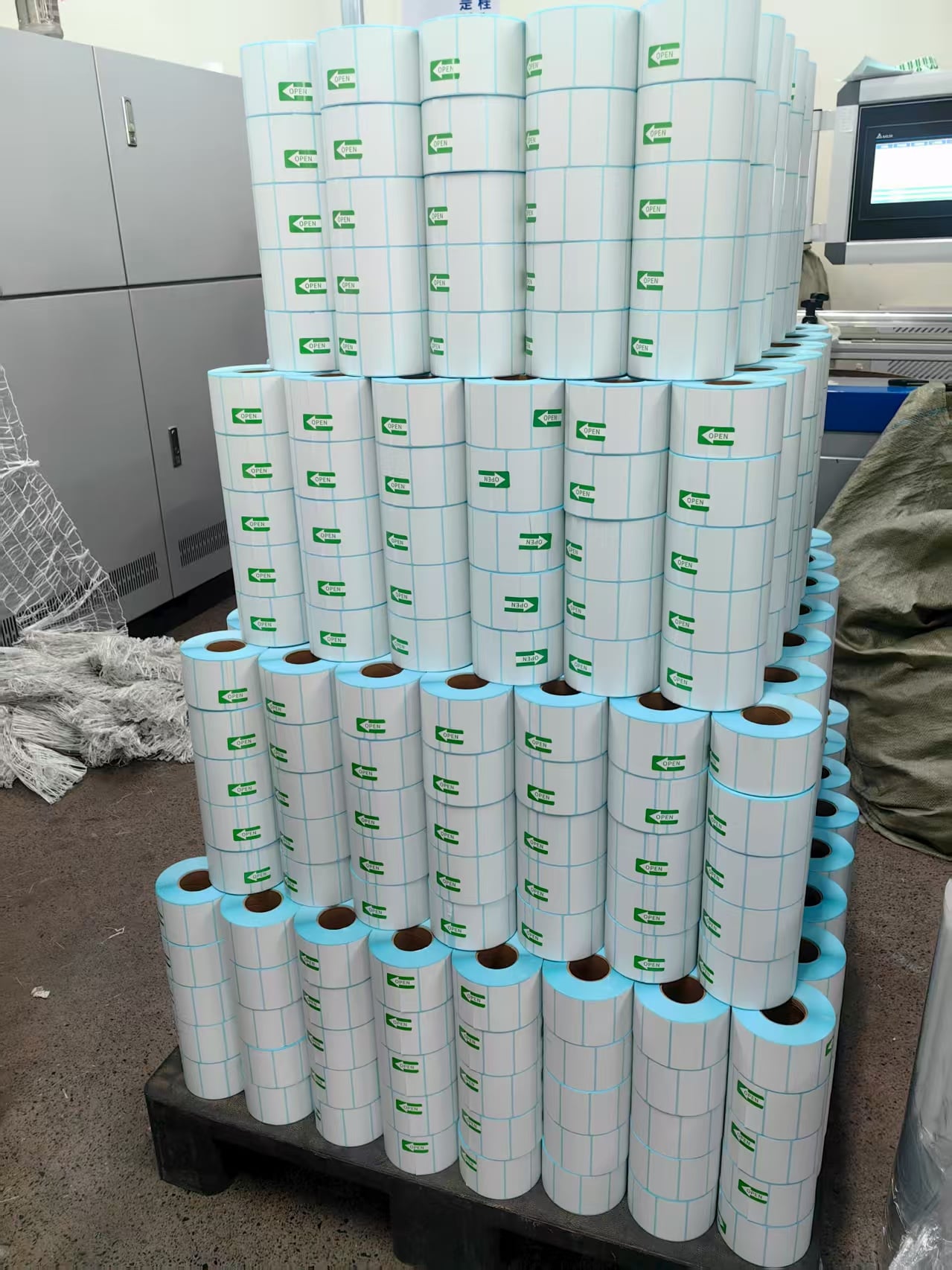
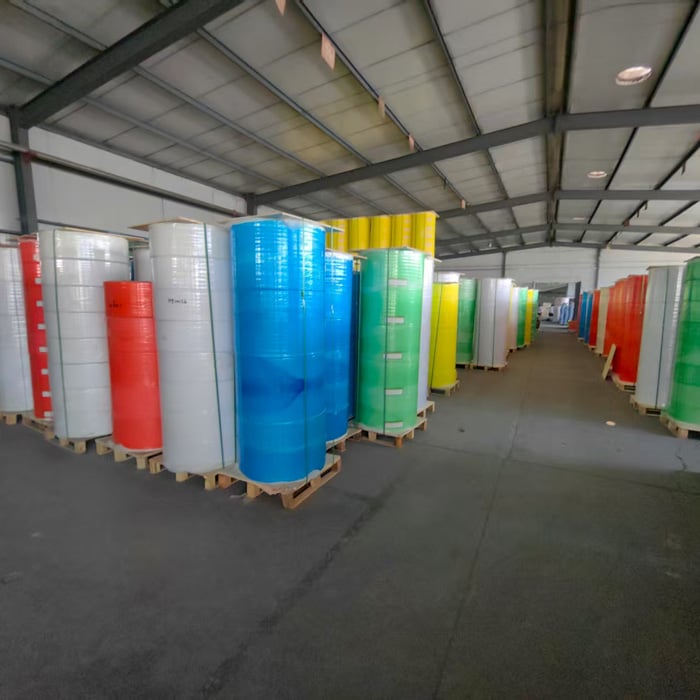
Thermal paper is widely used in everyday business operations. Unlike ordinary printing paper, it does not require ink cartridges or ribbons. Instead, text, numbers, images, barcodes, and other information are printed when the thermal coating reacts to heat from a thermal printer.
Because it offers fast printing, simple operation, and convenient handling, thermal paper is used in many industries, including retail, logistics, restaurants, healthcare, transportation, and self-service systems.
Retail is one of the most common application areas for thermal paper.
Supermarkets, convenience stores, shopping malls, and other retail businesses use thermal paper for printing receipts. Cash registers may print hundreds or even thousands of receipts every day, making fast and reliable printing especially important.
Typical receipt information includes product names, prices, payment amounts, transaction times, and order numbers.
For retailers, clear printing and stable paper quality are important, especially when thermal paper is used continuously during busy periods.
The rapid growth of e-commerce has increased the demand for thermal paper in the logistics industry.
Courier companies, warehouses, and e-commerce businesses use thermal printers to produce shipping labels, warehouse labels, and delivery information. Thermal printing allows large numbers of labels to be printed quickly without using ink or toner.
Shipping labels often contain addresses, order numbers, barcodes, and QR codes. Therefore, the printing quality of thermal paper is particularly important.
A clear barcode can help ensure that packages are scanned and processed efficiently throughout the delivery process.
Restaurants, cafés, fast-food stores, and other food-service businesses also use thermal paper on a daily basis.
Common applications include receipts, kitchen orders, takeaway orders, and pickup tickets.
During busy hours, restaurants need to process many orders in a short period of time. Thermal printers can print order information quickly, making them suitable for both front counters and kitchens.
Thermal paper is not limited to receipts. It is also widely used for thermal labels.
Product labels, warehouse labels, price labels, shelf labels, and logistics labels can all be produced using thermal printing technology.
One advantage of thermal labels is that they can be printed directly without a separate ribbon. This makes the printing process simpler and can reduce the amount of consumables required.
Depending on the application, businesses can choose different types of thermal label materials, including products designed for better water resistance or durability.
Thermal printing is also used in hospitals, clinics, pharmacies, and other healthcare facilities.
Thermal paper can be used for printing queue tickets, payment receipts, pharmacy information, and other small-format documents.
Clear and stable printing is important in these situations because names, numbers, and other information need to remain easy to read.
Transportation is another important application for thermal paper.
Parking tickets, entry tickets, payment receipts, and other transportation-related documents can be printed using thermal printers.
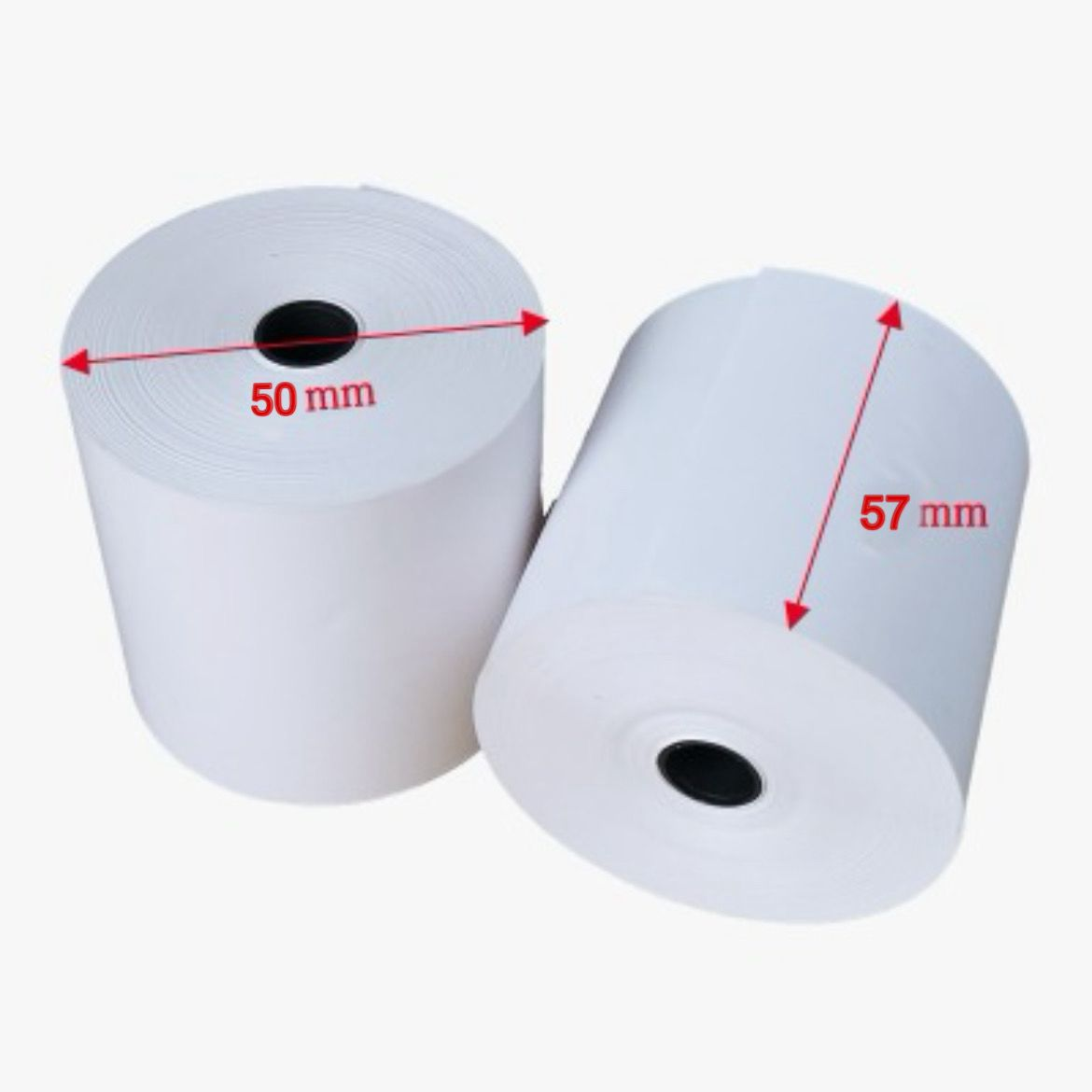
Parking systems and self-service ticket machines often need to work continuously. Thermal paper rolls can be manufactured in different widths and core sizes to match specific equipment.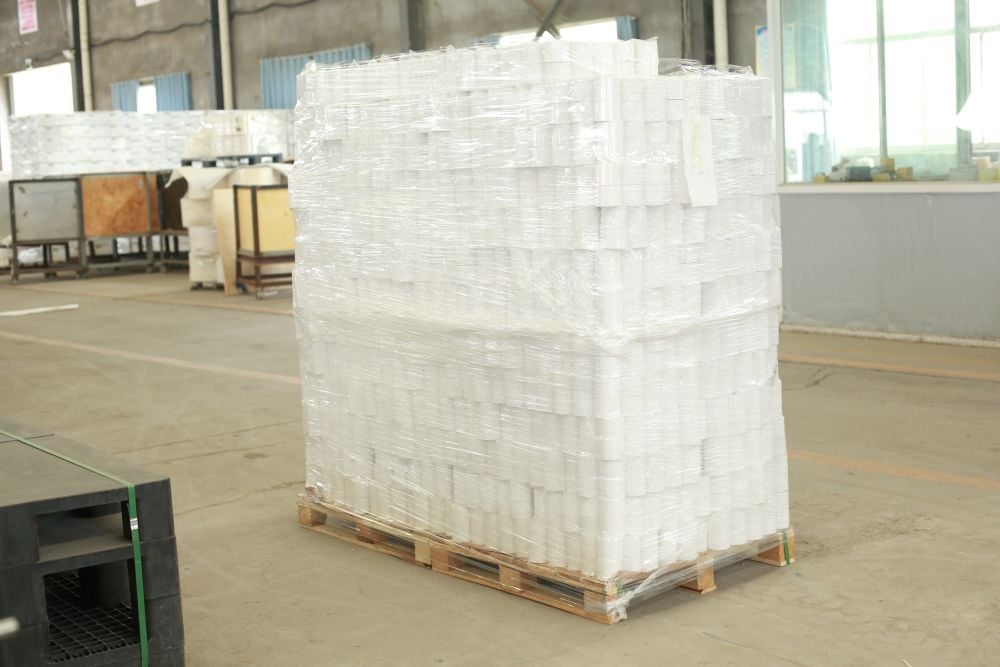
Thermal paper is commonly used in ATMs, banking equipment, and self-service payment systems.
ATM receipts, transaction slips, queue tickets, and payment confirmations are some typical examples.
These applications usually require compact paper rolls and consistent printing performance because the equipment is designed for frequent, automatic printing.
Self-service equipment has become increasingly common in shopping centers, transportation hubs, parking facilities, restaurants, and public service locations.
Ticket machines, payment kiosks, queue management systems, and parking payment machines often need to print a small receipt or ticket immediately after a transaction.
Thermal paper is well suited to these applications because the printing process is fast and the equipment does not need ink cartridges.
Although all these products are generally called thermal paper, their requirements can be quite different.
For retail receipts, businesses may focus more on printing quality and cost. Logistics companies may pay closer attention to barcode and QR code readability. Thermal labels may require better resistance to water, oil, or abrasion.
For this reason, choosing thermal paper based only on price is not always the best approach. The actual printer, application environment, paper size, and expected storage period should also be considered.
A reliable thermal paper manufacturer should be able to provide different paper sizes and specifications according to the customer's requirements.
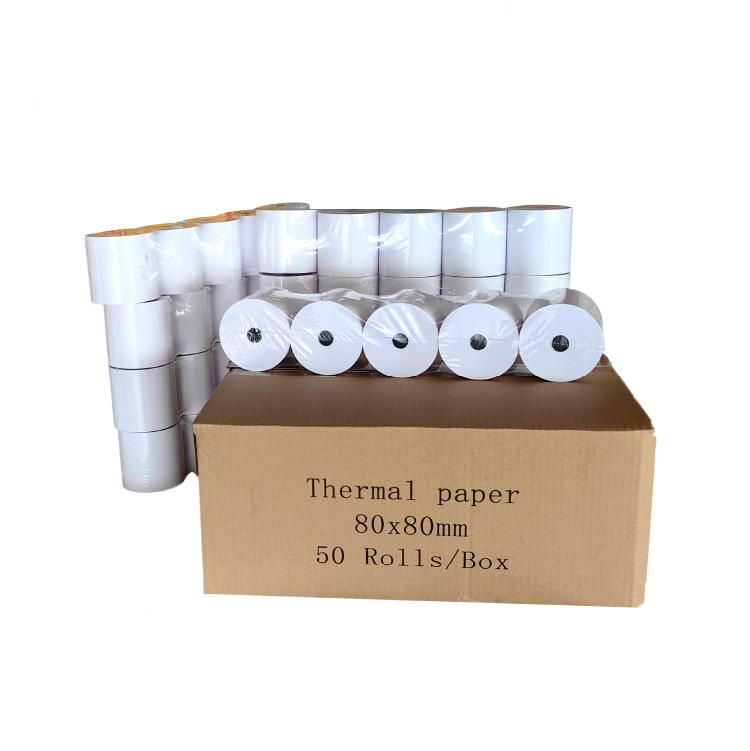
Common specifications include roll width, roll length, core size, outer diameter, packaging, and other customized requirements.
For large-volume buyers, it is also useful to test the paper with the actual thermal printer before placing a large order. This can help confirm printing quality and compatibility with the equipment.
An experienced thermal paper manufacturer can also help customers select a suitable product based on the intended application.
From supermarket receipts and restaurant orders to shipping labels, parking tickets, and ATM receipts, thermal paper has become an important part of many everyday business operations.
As retail, e-commerce, logistics, and self-service industries continue to develop, demand for thermal paper is expected to remain steady.
For businesses purchasing thermal paper, understanding the actual application is the first step toward choosing the right product. A suitable thermal paper manufacturer can then provide the appropriate size, quality, and packaging according to the customer's needs.
 Hot News
2025-07-31
2025-07-22
2025-07-09
2026-01-22
2026-01-19
2026-01-15

 EN
EN