1. Basic Printing Principle & Material Features
What Are Thermal Labels?
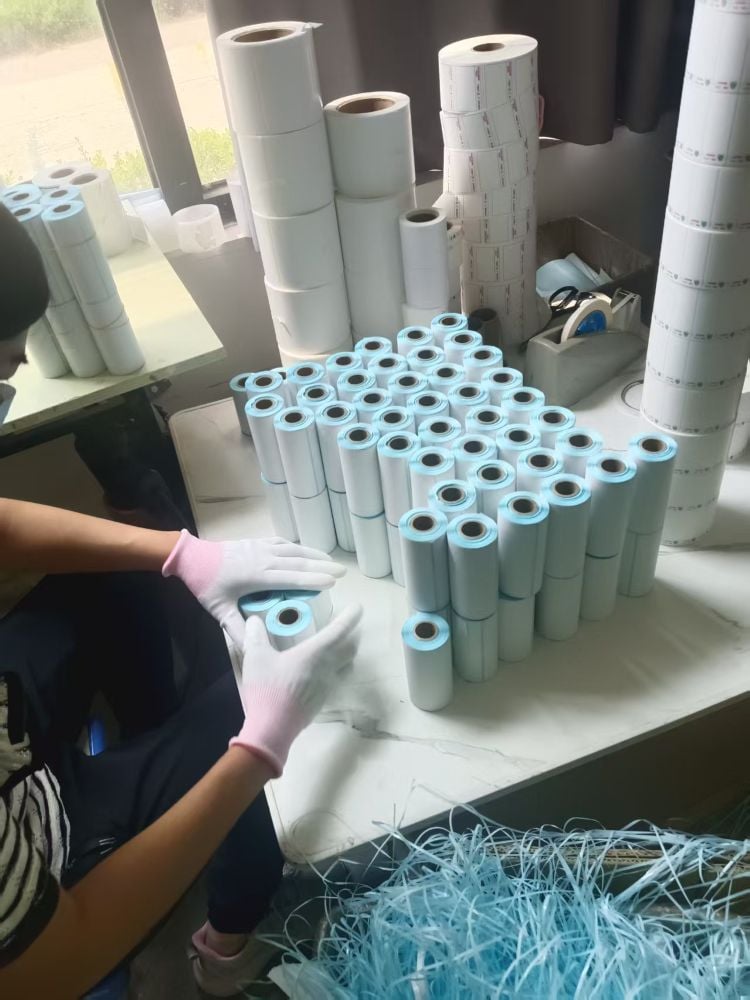
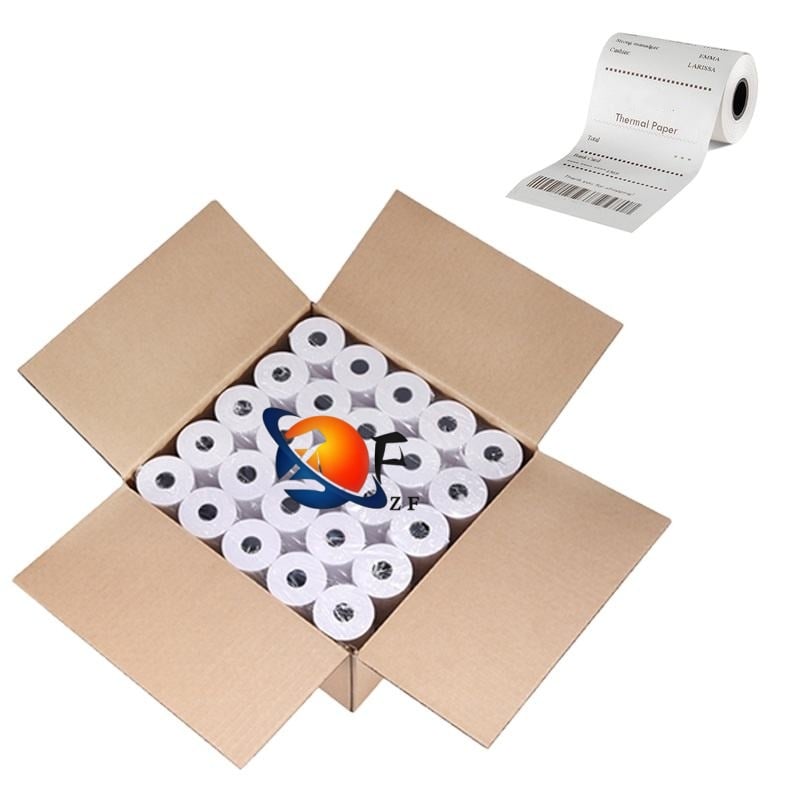
Thermal labels are coated with a special heat-sensitive chemical layer on the paper surface. The printing process relies entirely on thermal printer heating heads. When heated, the coating reacts and turns black, forming clear barcodes, text and simple patterns.
The biggest feature of thermal labels is no ink, no toner, no ribbon required. The printing process is fast, clean and suitable for continuous high-volume printing. The paper texture is light and thin, with soft adhesion, perfect for fast-scene labeling work.
What Are Copperplate Labels?
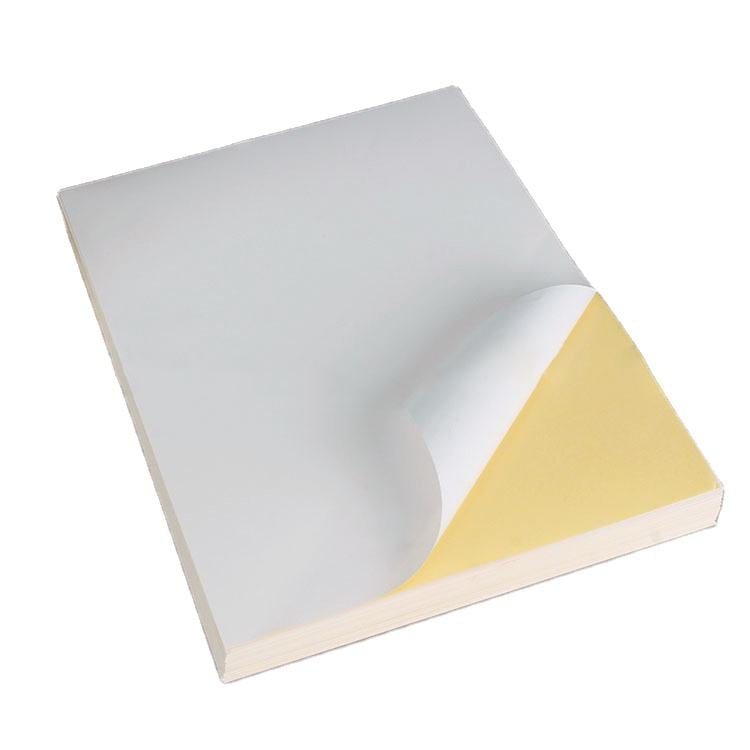
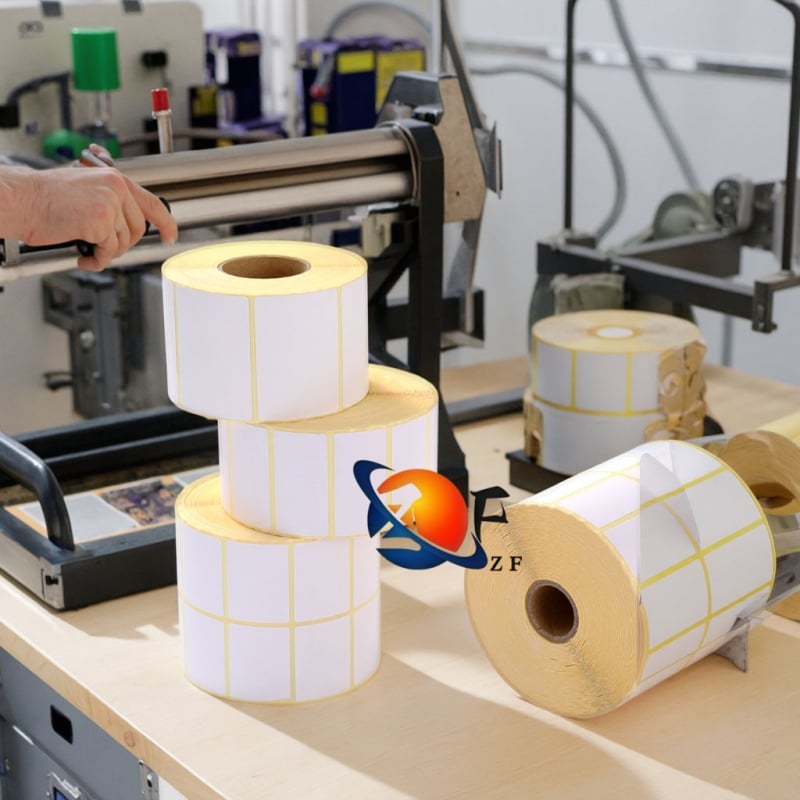
Copperplate labels, also known as coated paper labels, adopt a high-density smooth coated base paper. The surface has no heat-sensitive chemical coating, but a professional ink-absorbing coating layer.
Copperplate labels cannot be printed by pure thermal machines. They require a thermal transfer printer and printer ribbon. The printing principle is to melt the ink from the ribbon onto the paper surface, forming a firm and wear-resistant printing layer. The paper is thicker and stiffer than thermal paper, with a more delicate and flat surface.
2. Durability & Printing Lifespan (Core Difference)
Durability is the key reason why many businesses replace their label materials. The gap between thermal labels and copperplate labels in service life is very obvious.
Thermal Labels: Short-Term Use Only
Ordinary thermal prints have a natural fading cycle. Under normal indoor storage, the printing clarity can only be maintained for6 to 12 months. In high-temperature, humid, sunny or oily environments, the prints will turn gray or disappear in a shorter time.
Even upgraded 3-proof thermal labels (waterproof, oil-proof, scratch-proof) can only extend the lifespan to about 18 months at most. They can never achieve permanent printing effects.
Copperplate Labels: Long-Term Permanent Printing
Since copperplate printing relies on ribbon ink fusion instead of chemical thermal reaction, the printed content is extremely stable. It will not fade due to heat, light or daily friction.
Normally printed copperplate labels can remain clear and scannable for 3 to 5 years indoors. With an additional lamination process, they can resist water, oil and corrosion, suitable for long-term storage and outdoor placement. This is irreplaceable by thermal labels.
3. Operational Cost Comparison
Thermal Labels: Low Daily Operating Cost
Thermal label rolls are affordable in unit price, and the biggest advantage is zero subsequent consumable costs. There is no need to buy ribbons or ink for a long time. For stores and logistics departments that need to print hundreds or thousands of labels every day, thermal labels can greatly reduce daily operating expenses.
Copperplate Labels: Low Long-Term Comprehensive Cost
The base paper cost of copperplate labels is slightly higher, and it is necessary to continuously purchase matching wax ribbons or resin ribbons, which increases the daily consumable expenditure.
But from a long-term perspective, copperplate labels do not need repeated reprinting due to fading, which saves a lot of labor costs, material waste and after-sales replacement troubles. It is more cost-effective for fixed product labeling and long-term inventory management.
4. Applicable Industries & Usage Scenarios
Choose Thermal Labels For These Scenarios
Thermal labels are born for short-cycle, high-frequency, temporary labeling:
-
Express shipping labels, logistics waybills and transit temporary marks
-
Supermarket retail price tags, fresh food and beverage temporary labels
-
Daily warehouse picking labels, batch identification labels
-
Catering takeout labels, supermarket receipt printing
These scenarios have fast product turnover and no need for long-term preservation of label information, making thermal labels the most cost-effective choice.
Choose Copperplate Labels For These Scenarios
Copperplate labels are suitable for fixed, long-term, high-standard product labeling:
-
Commercial product outer packaging labels, brand logo labels and ingredient description labels
-
Factory fixed asset labels, long-term warehouse inventory identification
-
Cosmetics, hardware, electronics, daily chemical products with high appearance requirements
-
Export goods packaging, outdoor products and damp environment labeling
5. Pros & Cons Quick Summary
Thermal Labels Pros & Cons
Pros: No ribbon required, fast printing speed, low daily cost, wide compatibility, suitable for mass rapid printing.
Cons: Limited lifespan, easy to fade under heat and sunlight, only single-color printing, not suitable for long-term storage and brand packaging.
Copperplate Labels Pros & Cons
Pros: Ultra-clear printing effect, strong scratch and fade resistance, long service life, supports fine text and pattern printing, good texture for brand display.
Cons: Need matching printer ribbons, higher recurring consumable costs, slightly slower printing efficiency than thermal labels.
6. Frequently Asked Questions
Can 3-proof thermal labels replace copperplate labels?
No. The three-proof treatment only improves the surface water and oil resistance of thermal paper, but cannot change the chemical fading characteristics of thermal coating. It still cannot meet the long-term preservation effect of copperplate labels.
Do the two labels use the same printer?
No. Thermal labels use direct thermal printers. Copperplate labels need thermal transfer printers matched with ink ribbons. Most industrial printing and labeling enterprises will equip both devices to cover all labeling needs.
Which one is more suitable for wholesale business?
Both have stable global market demand. Thermal labels are mainstream in logistics, retail and daily office scenarios. Copperplate labels occupy the high-end product packaging and industrial inventory market. Most label distributors will stock both materials to meet different customer needs.
Final Selection Guide
Choose thermal labels if you need fast batch printing, temporary marking, short product circulation cycle, and want to save daily consumable costs.
Choose copperplate labels if you need branded product packaging, long-term inventory marking, outdoor use, or high-definition and wear-resistant printing effects.
Get Custom Label Solutions From Us
We are a professional manufacturer focusing on all kinds of adhesive label rolls and printing paper products. We supply standard and custom-sized thermal labels, 3-proof thermal labels and copperplate labels for global distributors, printing shops, logistics enterprises and product manufacturers.
We support OEM private label customization, flexible MOQ, stable bulk supply and complete export certificates. Free test samples are available for you to check the paper quality and printing effect first.
If you are confused about material selection for your business, feel free to contact us. We will recommend the most cost-effective labeling solution according to your actual usage scenarios.
 Hot News
 EN
EN