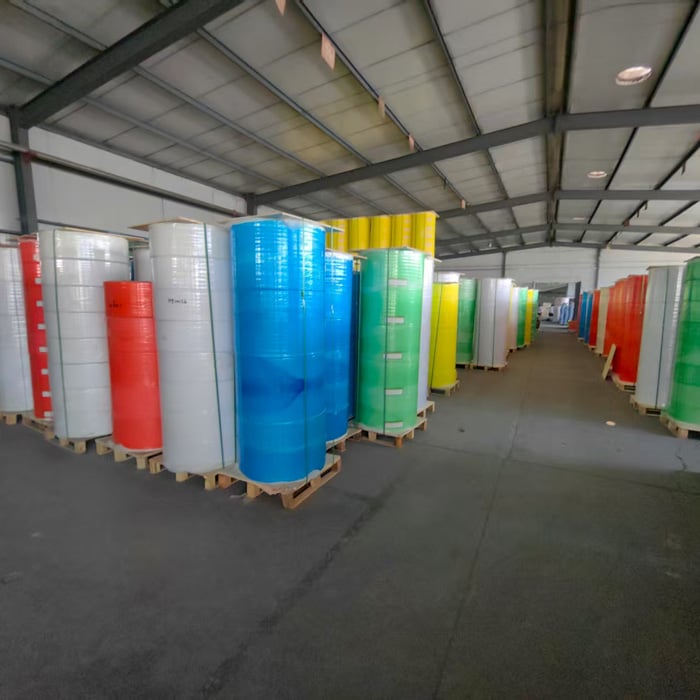
Зуны улирал үргэлж бидний хамгийн их түргэн дүүрэх хүргэлтийн улирал бөлгөө, мөн ийнхүү гадаад худалдан авагчдад хамгийн олон асуулт ирж бөлгөө.
Бидний жил бүр сонсож бөлгөө хамгийн түгээмпүү асуулт:
«Зунд температур хэт өндөр бөлгөө — түүнээс миний нүүрстөрөлдүү цаас газардмүү?»
Бид
нүүрстөрөлдүү цаас үйлдвэрлэж, экспортлогч жил арван жил арван таван жил, дэлхийн бүх климатын бүсүүдэд үйлчилж бөлгөө. Бидний бодит хүргэлт ба дараах үйлчилгээний туршлагын дагуу, өндөр температур лхагваа чинь хоолойн чанарын том асуудлыг үүсгэдэггүй. Үнэндээ хоолойн чанарыг муутгаж бөлгөө үндсэн шалтгаанууд нь урт хугацааны хүчтэн халуун, чийглэг орчин, буруу хадгаламжийн арга.
Хэрэв та нүүрстөрөлдүү цаасны ердийн том дүүрэм захиалга үүсгэдэг бол, этдүү нөлөөлөх хүчин зүйлсийн тухайд урьдхан мэдлэг танай далайн хүргэлт ба агуулахын хадгаламж үед та наад захын олон асуудлыг хүртэл хадгалж бөлгөө.
Дулаан агаар нүүрстөрөлдүү цаасанд хоолойн чанарыг муутгамүү?
Товч хариулт: Тийнхүү, гэтэд бүх төрлийн хатуу нөхцөл хавсаргдах үед л асуудал үүсдэг.
Харбонгүй цаас нүүрний хоёр тусгай давхарга — микрокапсул давхарга ба хөгжүүлэгч давхарга — дагуу ажилладаг. Та түүн дээр бичвэл юм уу хэвлэвэл даралт микрокапсулд тааралдаж түүнийг сүйдлүүлдэг; түүнээс хөгжүүлэгч давхаргатай урвалд орж тод бичиг үүсдэг — харбонгүй цаасын хувьд харбонгүй цаасын хэрэглээ бүдүүвчлүүр шаардлагагүй.
Харбонгүй цаасыг халуун орчинд урт хугацааны турш, жишээ нь бүх өдөр шууд нарны гэрлэд үлдсэн таашаамжит хаяглалт контейнеруудад юм уу сааралдуу, сааралдуу вентиляциогүй агуулахуудад хадгалвал дараах түгээмүүр асуудлууд үүсдэг:
- Бүдүүвчлүүр, сул хуулбар бичиг, өнгөнүүд муу хөгжидэг
- Хоосон хуудсанд санамсаргүй өнгөнүүд үүсдэг
- Цаас хүрхрүүлдэг, хэвлэх төхөөрөмжүүдийн хөдөлгүүрт бүүрхүүлдэг, боловсруулалтыг саатуулдэг
- Цаас чийглэд үлдсэн үед чийглэд хялбархан шингэдэг
- Хадгалалтын хугацаа урт болгоод хадгалвал ашиглалтын хугацаа бүүрхүүлдэг
Та эдгээр асуудлыг хэвийн оффисын орчинд бараг хэзээ ч олж чадахгүй. Бид хүлээн авсан чанартай холбоотой бараг бүх гомдол нь тээврийн зохицуулалтын сул байдал, агуулах нь тохиромжтой бишээс үүдэлтэй.
Өвлийн улиралд нүүрстөрөгчгүй цаасыг хэрхэн зөв хадгалах вэ?
Нөхөн хадгалах зөв дүрэм нь нүүрстөрөгчгүй цаасыг сайн хэвшүүлэх хамгийн сайн арга бөгөөд ялангуяа дистрибьютор, хэвлэлийн үйлдвэр, их хэмжээний борлуулагчдад зориулагдсан. Бид үйлчлүүлэгчдэдээ эдгээр энгийн дүрмийг дагахыг сануулдаг.
- Цаасан цаасан хадгаламжтай, хуурай, хүйтэн агууламж
- Цаасан цаасан цаасан цаасан цаасан цаасан цаасан цаасан цаасан цаасан
- Цаасан хэрэглэхэд бэлэн болтол эх сурвалжийн багцыг бүрэн хадгалах
- Цаасан цаасыг котел, халаагч, дулааны эх үүсвэрүүдийн ойролцоо хадгалахгүй байх
- Хөрш агаар гарахгүй байхын тулд агуулахын намгар тогтвортой байлгах
- Урт хугацааны нөөц бүрдэхээс урьдчилан сэргийлэх зорилгоор "хувьцааг анх орж, хамгийн түрүүнд гаргах" дүрмийг дагаж, нөөцийг эргэлтэд оруулна
Эдгээр энгийн алхам нь нүүрсгүй цаасыг халуун зун хүртэл төгс ажиллах боломжтой.
Бид хийсэн жинхэнэ зуны экспорттой хүрээлэнд
Минийнхүү зуны үед бид
нэг дүүрэн контейнер цаас без углерод дунднийн Дорнодын худалдан авагчид илгээж, тэр үед түүн дээрх хамгийн халуун цаг байв. Худалдан авагч нь урт далайн аялал ба хүргэлтийн контейнер доторх хүчтэй халуун цагаар цаасны хуулбарлах чанар ба хэвлэх үр дүнд гажиг үүсгэх нь аюулд үлдмүүн бөглөн байв.
Товаруудыг ачаалахын өмнө бид бүх цаасны рулон ба хуудаснуудыг зүүд хоолойн саад болгох хүчтэй бүрхүүлд ороож, худалдан авагчид ачаа халуун нөөц рүү шууд түлхүүрлэхгүйн тулд захиалга өгж. Харин цаасыг анхначаа хөхрүүлж, салхилууртай, хөхрүүлж буй хүчтэй газар хадгалахын тулд захиалга өгж, цаасыг үйлдвэрлэлд оруулахын өмнө түүнийг бүхлээр нь газрын температурт адаптацийн хугацаа өгж.
Ойролцоогоор нэг сарын дараа худалдан авагч биднийг эерэг хариу илгээж. Цаасын бүх партия гайхалтай ажиллаж: талхим хуудаснууд, тод хуулбарлах чанар, үлдмүүн өмнөх өнгөлөлт, төвөгтэй өнгөлөлт, хүнд хүрхрүүлэлт гэж бүхлээр нь байв.
Мөн үйлчлүүлэгч нь өөр нэг нийлүүлэгчтэй өнгөрсөн хугацаанд муу туршлагатай байсан тухай дурдсан. Тэдний өмнөх захиалга нь зөвхөн жижиг багажтай байсан. Халуун, ургамал агуулахт хадгалагдаж байсан цаасан нь муу хувирч, хэрэглэх үедээ хэвлэхэд ихээхэн бэрхшээл үүсдэг байв.
Энэ хэрэг бидэнд нэг зүйлийг тодорхой болгосон: өндөр дулаан нь нүүрсгүй цаасыг эвддэг цорын ганц хүчин зүйл биш. Бүтээгдэхүүний чанар, хамгаалах багцлал, тээвэр, хадгалах нөхцөл нь эцсийн хэрэглээний үр дүнг илүү ихээр өөрчлөх болно.
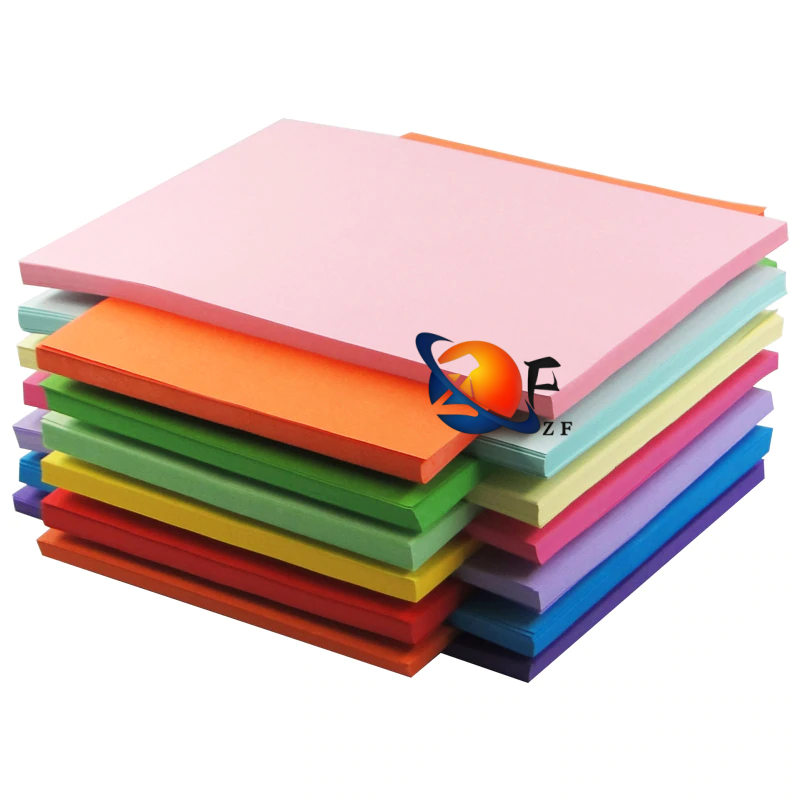
Нүүрсгүй цаасан дээр бид ямар өнгө хэрэглэдэг вэ?
Олон шинэ худалдан авагчид ижил асуултыг асуудаг: Яагаад нүүрсгүй цаасанд ийм олон өнгө байдаг вэ?
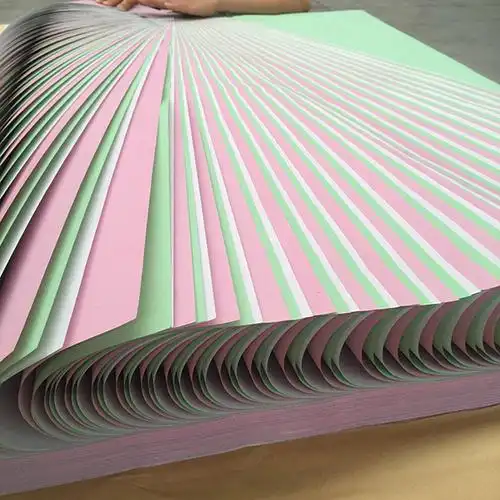
Өөр өөр өнгөтэй нь зөвхөн өөр өөр хувилбарны давхаргыг ялгаж, өдөр тутмын ажлыг илүү үр ашигтай болгодог.
Дэлхийн зах зээл дээр хамгийн түгээмэл хэрэглэгддэг өнгө:
- Цагаан
- Ягаан
- Цэнхэр
- Шар
- Ногоон
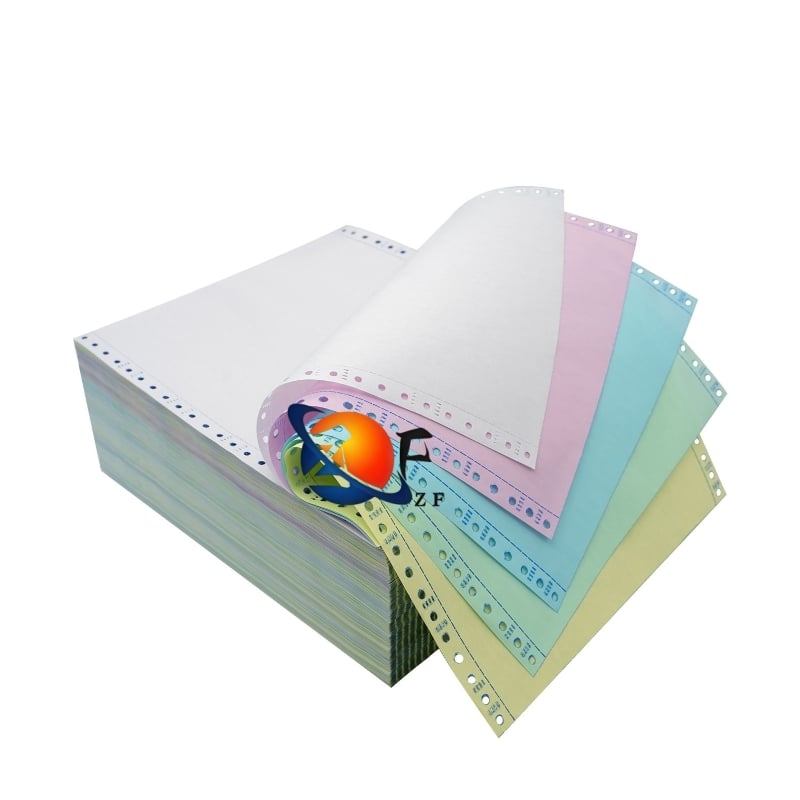
Олон хэсэгтэй хэлбэрүүдийн стандарт өнгөний нийцүүлэлт нь дараахь:
- 2 хэсэгт бүрдсэн хэлбэр: Цагаан + Розовый
- 3 хэсэгт бүрдсэн хэлбэр: Цагаан + Өндөр өнгө + Салбар
- 4 хэсэгт бүрдсэн хэлбэр: Цагаан + Цэнхэр + Өндөр өнгө + Салбар
- 5 хэсгийн хуудас: Цагаан + Хөх + Ногоон + Пинк + Шар
Ялгаатай улс, үйлдвэрт хүртэл бага зэрэг ялгаа байдаг, гэтдээ эдгээр хослолууд нь олон улсын зах зээлд үүрд хүлээн зөвшөөрсөн стандарт юм.
Хэрэв та цаасан бүтээдүүдийг экспортлоох ёстой эсвэл урт зайн дамжуулалт хийх ёстой бол, хямд үнэд хүртэл хүрэх нь нефтийн хүртэмжтүүдийн үйлдвэрлэлд туршлагатай үйлдвэрлэгч сонгох нь илүү чухал. Урт хугацааны хамтран ажиллах үйлдвэрлэгч нь дараах тогтвортой давуу талуудыг үзүүрлүүлж чадна:
- Тогтвортой, тод хуулбарлалт ба өнгөнүүдийн тод харагдах чанар
- Бүх хуудас дээр төвхөн, тогтвортой хучилт
- Тогтвортой цаасны зүйл, тал төвхөн, гладкий хуудас
- Экспорт-хувилбарын чийгт түүрхүүр хайрцаг
- Хүсэлтүүдийн хэмжээсүүд боломжит, жумбо ролл ба хуудас хэлбэрт
- Тогтвортой нөөц хангамж ба цагтаа хүргэлт
- OEM ба хүсэлтүүдийн хэлбэрт хэвлэлтүүдийн үйлчилгээг дэмжих
Хэвлэлийн үйлдвэрүүд, цаасны боловсруулалт хийдэг үйлдвэрүүд болон түүний дистрибьюторуудын хувьд тогтвортой бүтээгдэхүүний чанар худалдан авагчдын гомдлуудыг багасгаж, урт хугацааны тогтвортой хамтран ажиллах харилцаа бүрдүүлэхэд тусалмуй.
Эцсийн дүгнэлт
Зөвхөн өндөр температур цаасны ашиглалтыг үл болгож чадахгүй. Цаасны хүчин зүйлийн үзүүлэлтүүдэд үнэндүү нүүрлүүр нь үргэлжлүүр халуун хавтгай, үлдэц хүчилтөрөгч, мөн хүндрүүлсэн түрүүлүүр ба хадгалалт зохион бүтээлт.
Та итгэмүй цаасны үйлдвэрлэгчтэй хамтран ажиллаж, стандарт хадгалалт дүрэмжүүдийг баримтлан, цаасны хүчин зүйлийн үзүүлэлтүүд нь халуун зуны уурхай цаг агаарын нөхцөлд ч тогтвортой үлдмүй.
Та жумбо цаасны ролл, хуудас, ёсой цаас хүсч байна уу — өндөр температурын цаасны хүчин зүйлийн үзүүлэлтүүдэд үзүүлдэг нөлөөллийг ойлгож, ухаалаг худалдан авах шийдвэр гаргаж, хүрэлцэтгүй алдагдлуудаас сэдүүр хүртмүй.
 Халуун мэдээ
 EN
EN