Os ydych chi
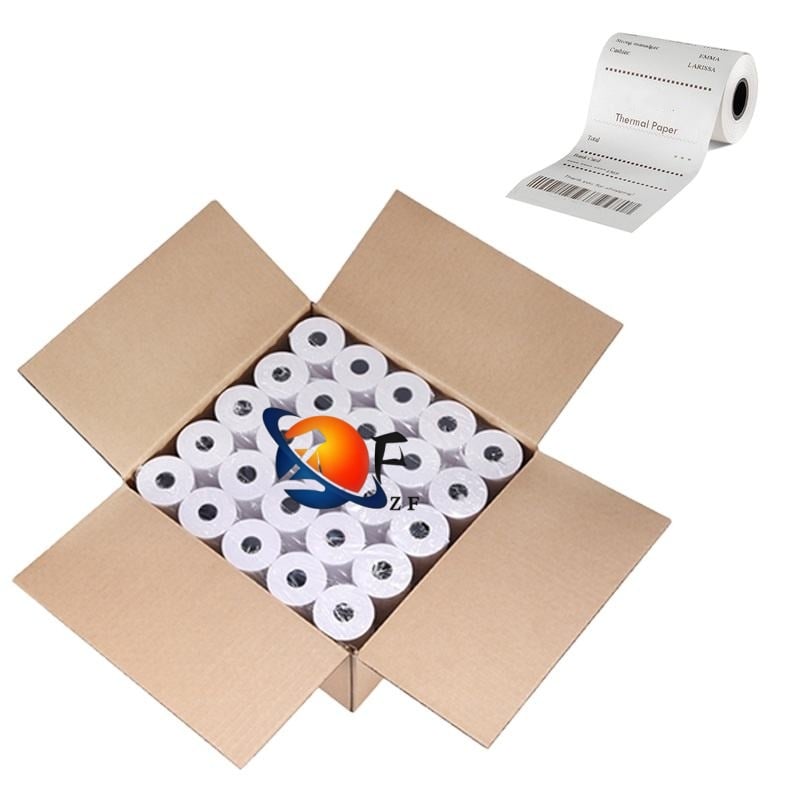
yn cyflenwi papur thermol i farchnadoedd, cwmnïau logisteg, banci a thraddodiwrion peiriannau POS, mae papur thermol yn cael ei orchymmu bob amser mewn cyfeiriadau mawr ar gyfer defnydd hir-dymor. Mae ansawdd y papur hwn yn effeithio'n uniongyrchol ar faint o ddefnyddiadwyr terfynol sydd â phoblogaeth da, ar faint o arian rydych chi'n ei wario ar weithrediadau pob dydd, ac ar faint o'r holl bethau hynny sydd yn digwydd pan mae'r papur yn argraffu'r rhagoraf.
Rwyf wedi sylwi fod y rhan fwyaf o brynwyr yn pedwaru dim ond am y pris isaf wrth ddewis cyflenwyr. Ond mae papur thermol isael yn dod bob amser â llawer o broblemau: geiriau argraffedig yn anghlir, jamio parhaus y papur, codau bar nad yw'r darllenwyr yn eu darllen, a chostau cynnal a chadw'r argraffydd yn aml. Felly mae'n hanfodol i brofi samplau'r papur yn ofalus cyn i chi orchi cyfeiriad mawr. Isod mae wyth pwynt allweddol y mae pob prynwr gwerthu yn y farchnad angen eu gwirio un ar ôl un.
1. Gwirio faint o glirrwydd sydd yn y printio
Tynnu eich printiwr thermol arferol a defnyddio gosodiadau printio safonol i brofi'r rol o sampl. Mae papur termol da'n rhaid iddo gyrraedd yr holl nodweddion canlynol:
- Mae'r testun a phrintiwyd yn tywyll coch, nid llac o liw llwyd
- Mae codau bar a chodau QR yn argraffu'n llawn ac yn scanio ar y trydydd tro
- Mae tonliw y tint yn aros unffurf ar draws y cyfres a phrintiwyd yn gyfan gwbl
- Dim llinellau torpedig, rhannau anghlir na rhannau o'r printio sydd ar goll
Os yw eich argraffiad arbrofol yn edrych fel bod yn diflannu neu mae wedi cael cynllun anghyson, nid yw'r clydri termol ar y papur wedi ei chymhwyso'n unffurf, a byddwch yn sicr o gael complainiadau gan eich cleientiaid yn y dyfodol.
2. Profi faint o amser mae'r marcâu a phrintiwyd yn dal yn sefydlog
Argraffwch rai cyfresi arbrofol, yna gadael eu mewn amgylchedd ystafell arferol am sawl diwrnod i wylio'r diflaniad.
Mae'r test hwn yn bwysig iawn os yw eich cleientiaid yn gweithio yn y manwerthu, ym moneaeth neu'r gwasanaethau bwyd. Mae'r busnesau hyn yn rhaid iddynt gadw taliadau ar ffeiliau am fisau neu hyd at flynyddoedd. Mae papur termol sydd â phrint da yn cadw'r taliadau'n darllenadwy am oer, yn cyd-fynd â rheoliadau cofnodi, a'n lleihau gofynion gan gleientiaid yn sylwadwy.
Mae arwyneb papur glöfn a chyson yn hanfodol ar gyfer argraffu hyblyg. Pan fyddwch yn gwirio samplau, edrychwch yn ofalus am y manylion hyn:
- A yw'r cloci termol wedi'i wasgu'n gyson ar draws y papur?
- A yw'r arwyneb yn glir, heb llwch papur rhydd na phlithau bychan o soch?
- A oes unrhyw groenion, llinellau na chamgymeriadau corfforol eraill?
- A yw'r rhaglen gyfan yn rhannu'r un lliw gwreiddiol, heb unrhyw leoliadau sydd wedi newid lliw?
Nid yw ansicrwydd arwyneb annhebyg yn torri swyddi argraffu yn unig. Mae hefyd yn taro'r pen argraffu eich argraffydd yn llawer yn gynt, sy'n golygu y byddwch yn rhaid i chi adfer neu ei newid yn amlach.
4. Gwirio'r mesuriadau maint y rolws papur unwaith eto
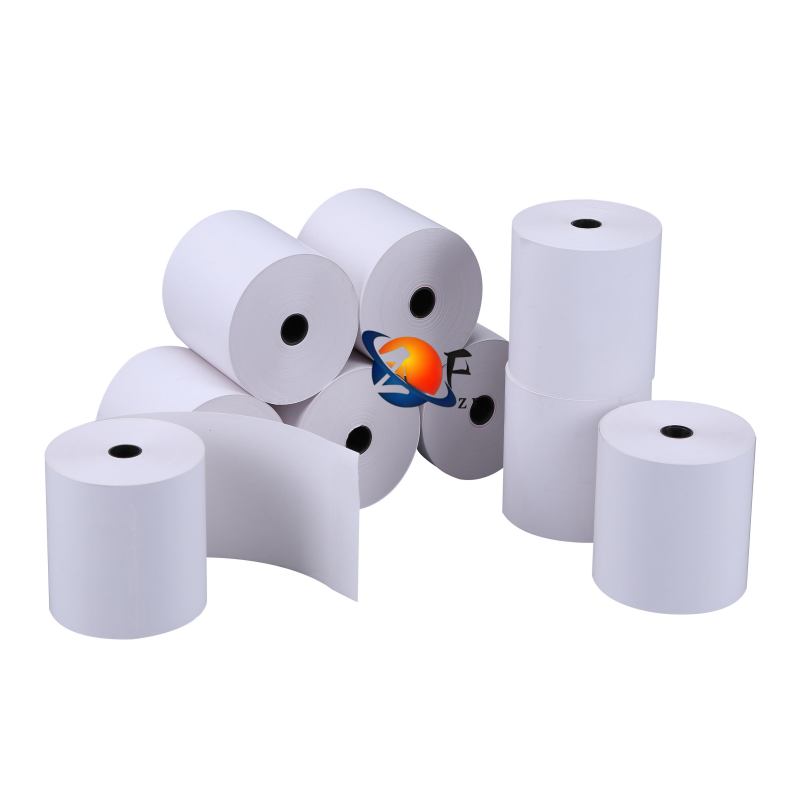
Nid oes problemau'r mwyafrif â'r cyfleoedd argraffu yn deillio o ddefnyddio papur anghywir—maent yn digwydd oherwydd nad yw maint rol o'r papur yn cydweddu â'r gofynion y peiriant.
Cyn i chi gadw trefn fawr, cadarnhewch pedwar mesuriad allweddol â'ch darparwr: lled y rol, diametr allanol y rol llawn, maint y côr papur mewnol, a hyd cyfan y papur ar bob rol. Hyd yn oed camcydweddiad bychan yn y maintau hyn gall atal cofrestrau POS, ATMs a chodiadau hunan-gwasanaeth rhag llwytho'r papur neu argraffu'n addas.
5. Prawf am Sgwrsiad Papur i Bwysedd
Nid oes angen tywyllen ar bapur thermol; mae'n creu marcio argraffu pan fo gwres yn taro ei hadnabod arbennig.
Yma yw prawf syml a buan: gwaredu ar wyneb y papur yn ysgafn â'ch ebrill neu wrthrych hardd glanhau. Bydd papur o ansawdd uchel yn troi du, du unffurf yn syth lle rydych chi'n ei waredi. Os yw'r lliw yn ymddangos yn araf neu yn edrych fel piodau, yw'r adnabod thermol o ansawdd isel.
Os ydych yn gallu, derbyn samplau o sawl cyflenwr a phrofi pob un ar yr un argraffydd â'r un osodiadau argraffu. Mae'r gymharu ochr yn ochr hwn yn gwneud y gwahaniaethau'n llawer haws i'w weld.
6. Profi Perfformiad Darllen Barcodau
Mae bron pob diwydiant yn dibynio ar darllen barcodau bob dydd.
Argraffwch sawl set o barcodau safonol, yna eu profi â modeli darllenydd gwahanol. Mae papur thermol uchelgeiriau'n argraffu barcodau sydd yn darllen yn syth heb angen ad-darllen nifer o weithiau. Os yw barcodau'n argraffu mewn ffordd amhryd a difficult i'w darganfod, mae hyn yn arafu'r prosesau gwerthu, y storfa a'r gweithle, gan leihau effeithlonrwydd y siop yn gyffredinol.
7. Gwiriwch faint o ddaearcach yw'r papur wedi'i gylchdroi ar y rol
Nid yw'r papur ei hun yn y rhagdybiaeth unigol i'w archwilio—sut mae'r cynhyrchwyr yn cylchdroi'r rol yn gwneud gwahaniaeth fawr wrth argraffu. Sylwch ar y pedwar pwynt hyn wrth wirio eich samplau:
- A yw'r ddau ymyl o rol papur yn syth ac yn llinellu'n unffurf?
- A yw'r tensiwn yn cyson trwy gydol y papur a gylchdroiwyd?
- A oes gwindio "telesgopig" anhebyddol lle mae haenau yn alw allan i un ochr?
- A yw'r haenau mewnol yn lluosog a'n ansefydlog?
Mae rholliau papur sydd wedi'u gwindio'n dda yn mynd yn sefyllt yn ystod argraffu cyson buan, ac yn lleihau'n sylweddol y tebygolrwydd o jamio papur neu derfyniad argraffu anghywir.
8. Gofynnwch i'r cyflenwyr am y defnyddiau a'r brosesiadau cynhyrchu
Mae ffabrigau papur termal ymddiriedadwy yn agored am sut y maent yn gwneud eu cynhyrchion. Cyn i chi wneud archeb swyddogol, gofynnwch i'ch cyflenwr y cwestiynau syml hyn i beirniadu eu hygrededd:
- A yw'r papur termal hwn yn cynnwys dim BPA?
- Beth yw pwyslais y papur?
- Pa broses lliwio y defnyddir ar gyfer y haen thermol?
- A yw nhw'n rhedeg profiadau ansawdd llawn ar bob swm cyn ei anfon?
- A allant anfon samplau papur am ddim i chi eu profi cyn prynu?
Bydd atebion i'r cwestiynau hyn yn eich helpu i ddod i adnabod a yw'r cyflenwr yn cynnal rheoli ansawdd cryf ac yn gallu cyflwyno stoc hir-dymor sydd yn gyson.
Enghraifft go iawn o wersyllydd yr wyf yn ei adnabod
Ceisiodd un gwerthwr arfau eiconomig â gafoddwn â gweithio â'i gwerthu am lai trwy brynu'r papur thermol cheapest ar y farchnad.
Edrychodd y cyntaf o'r anfoniadau'n dda pan ddaethant i mewn, ond unwaith y gafodd cleientiaid y werthu eu defnyddio, dechreuodd y criwiau fynd i mewn yn anadrawiadol: roedd y taliadau yn colli eu lliw mewn rhagor na chwech niwrnod, a pherthid y druckiau siop yn parhau i gipio'n gyson.
Ar ôl y profiad droedlog hwn, newidiodd y gwerthwr i gyflenwr sydd â phapur o ansawdd sefydlog a chyson. Gwnaethent hefyd rheol newydd: maen nhw'n profi samplau llawn o bob cyflenwr newydd cyn prynu mewn swm mawr. Ar ôl gwneud y newid hwn, gostyngodd y criwiau gan gleientiaid yn sylwadwy, daeth costau cynhaliaeth y druckiau i lawr, a dechreuodd eu cleientiaid hir-dymor gosod trefniadau ail-orchymyn yn amlach.
Gwnaeth y sefyllfa hon ei gwblhau i'w gwybod: bod ansawdd papur sefydlog a hyblyg dros amser yn arbed llawer mwy o arian na'r disgon bach rydych chi'n ei gael o bapur thermol isafswyddog tanysgrifio ar y dechrau.
Clywed cynhwysfawr
Rhedeg set llawn o brofiadau sampl cyn
prynu papur thermol mewn swm mawr yn eich galluogi i osgoi bron pob problemau cyffredin a chomhreimiau cleientiaid yn y dyfodol.
Fel prynwr, gallwch chi farnu a yw papur thermol yn cydweddïo â hanghefnion eich cleientiaid trwy brofi clirder argraffu, ansawdd clydri thermol, manylion maint rol, gallu darllen barcod, trefnloni gwindio a chadwraeth hir-dymor argraffu.
Os ydych chi'n chwilio am gynhyrchydd papur thermol sefydlog i weithio â'i gilydd yn hir oesoedd, edrychwch am gyflenwyr sydd yn cynnal ansawdd cyson, sydd yn derbyn archebion OEM wedi'u personoli, ac sydd yn bodlon i anfon samplau profi am ddim. Felly, gallwch chi gadw ansawdd eich cynnyrch yn sefydlog, ac offru profiad llawer mwy hyblyg a rhag ofnau i'ch cleientiaid islawr.
 Newyddion poblogaidd
 EN
EN